Category Archives: homemade

Homemade Miso Soup

There is nothing more fragrant than fresh miso soup that doesn’t come from a powder, 
mix,or contain any other ingredients or MSG.
I picked up this baby at the Food Coop.

As these: Maitake mushrooms on the left, bunapi mushrooms on the right.
Bring a pot of water to a boil along with the mushrooms.

Take two tablespoons of miso (depending on the amount of water).
Mix in the miso until dissolved, simmer for five minutes, and then serve.
For this meal I served it with brussels sprouts and garlic and bistek Filipino pork chops.

Adobo Four Ways

In his book How To Cook Everything, Mark Bittman calls chicken adobo “the best chicken dish in the world.”  In his 2002 article on adobo, he says that he “doesn’t know of another dish where such a basic combination of ingredients and technique gives better results.”

Last year, Sam Sifton dedicated an entire NYT Magazine article to the mystery of the Filipino dish called adobo.

“There is great fun to be had in asking Filipinos how to make adobo, particularly when they are in groups…Husbands argue with wives about adobo. Friends shoot each other dirty looks…,” is exactly how he put it when dealing with the many ways Filipinos make this dish which Sifton called “pungent and rich, sweet and sour and salty at once.” That might really be the only way to describe it because adobo just…is. It’s like asking an American to describe a good burger without using the word “juicy.” It’s a burger, what do you want?

It’s adobo, what do you want? Except that the nature of Filipino cuisine necessitates several versions of it. There really must be 7,100 ways of cooking it, just like the number of islands in my country’s archipelago. I think we can all agree that vinegar is the base. I’ve never tried to omit soy sauce. Coconut milk? I guess we must broaden our horizons sooner or later.

Below are the four ways I’ve made it, and my time tested recipe at the very bottom. It’s pretty darn simple and tasty and being able to make it at home keeps me from ordering the dish elsewhere.  (The first time I made adobo was in a cooking class at the Ajinomoto Test Kitchen in the Philippines as a ten-year-old. But that’s another story.) Don’t worry, there is no MSG in this dish. Enjoy!

Saucy…all the ones below start out like this. Always save the sauce to pour on top of your rice.
Adobo flakes.

After the chicken is cooked, the meat is pulled off the bone and placed in a hot pan to dry and get crispy. Flakes may be smaller and crispier than this photo but it has a tendency to make a whole lot of meat shrink into just a handful (of super yummy crispiness).

Crispy adobo pork belly.

Pork belly slabs may also be allowed to simmer in adobo sauce until tender and then placed in a roasting pan skin side up, then allowed to broil until the tops are crispy. Cut before serving.

Broiled chicken and pork pieces. (Photo by Kanako Shimura)

An oven is a great way to brown the chicken pieces as an alternative to the classic method of frying the pieces in oil before serving. The browned edges become crispy and tasty, turning the chicken and pork skin  even more sinful than they already are. A few minutes under the broiler is usually enough. Make sure you watch it as it burns quickly and splatters oil.

Chicken or Pork Adobo
Pork butt, spare rib tips, or pork belly, cubed and/or chicken pieces
2 parts white vinegar
1 part  water
1 part soy sauce (Silver Swan, or any other Filipino brand works, do NOT use Kikkoman or Japanese soy sauce)
5 bay leaves
1 head garlic, crushed and peeled
1 tsp black peppercorns


Crockpot: In a 4-quart or larger slow cooker, combine all ingredients and set on low for 4-6 hours. (Optional: At about 4 hours the meat should be perfect, you can drain the meat and fry in oil until brown and top with remaining sauce.) Serve with rice.
Conventional Stove: In a large pot, combine all ingredients If using chicken in addition to pork, add chicken 30 minutes later than pork. Simmer over medium heat until meat is tender (usually one hour). Drain and fry meat in oil until brown (or broil in oven), and top with remaining sauce. Serve with rice.


Braised Shortribs in Wine and Cream

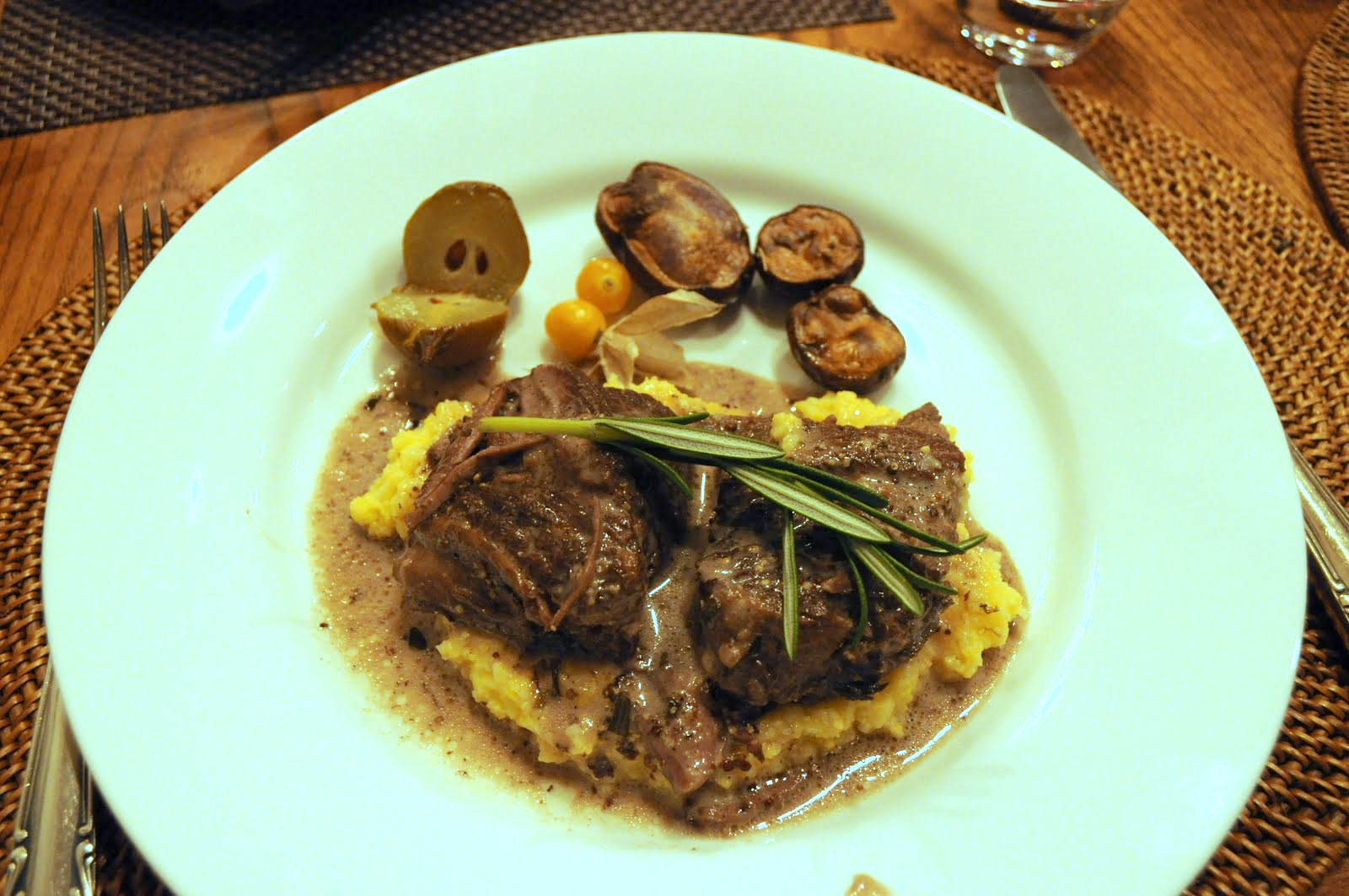
Braised shortribs over polenta, side of roasted pears, blue potatoes, gooseberries and rosemary.

 This is a dish I made combining a recipe I found in The Pioneer Woman with one of my own as part of a multi-course birthday dinner in October 2011. It is easy to make with simple ingredients, the biggest hassle would be the task of slow-cooking the meat until its prime tenderness which is the specialty of shortribs. It’s hard to go wrong with shortribs because they are already tasty and tender when prepared properly. I made this dish to feed 12 people and the cooking of the beef was not a pretty sight as seen in this photo.

Either way the results were amazing. I chose to serve it on a bed of polenta with a side of roasted blue potatoes, roasted pears, gooseberries and rosemary, with a drizzle of its own sauce, a multi-layered experience of flavor and love.

Gooseberries make everything pretty.

Braised Shortribs in Wine and Cream

10-15 short ribs, depending on how many diners
1/2 bottle dry red wine, or enough to submerge most of the ribs
1-2 shallots, chopped
1 beef bouillon
2 tablespoons grainy dijon mustard
1 cup heavy cream
1 tbsp capers
2 tablespoons minced rosemary

Season meat on all sides with salt and pepper. In a big greased pot or dutch oven over high heat, brown the meat on all sides and set aside. In the same oil, saute the shallots and add red wine, scraping browned meat from sides of the pot. Return the meat into the pot and add the rosemary, mustard and bouillon and simmer on low heat until the meat is tender, rotating the pieces occasionally for 2-3 hours. The wine should reduce to about half the amount. Add the cream to thicken the sauce and season to taste if necessary.

Serve over grain or pasta of choice. Mangia!

Homemade Pho

A lady who can make pho will have my heart.
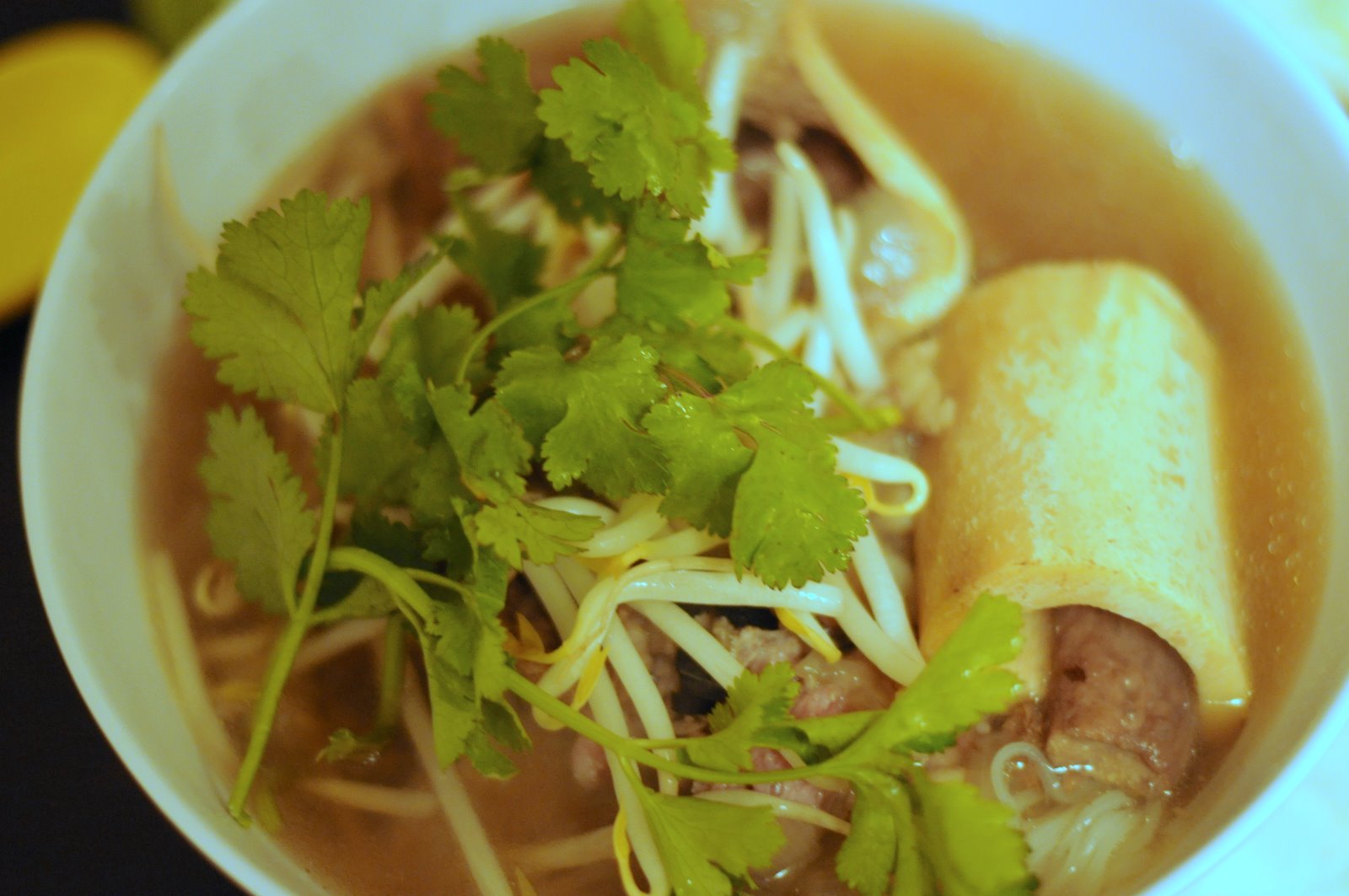
Pho is a vietnamese noodle soup with a base of beef soup bones, broth, burnt onions, anise, and other herbs served with vermicelli, mung bean sprouts, cilantro and basil. Love the bone marrow in this photo.

Broth in a stockpot that has been cooking all day.

Cooked and raw beef slices on a bed of vermicelli waiting for the hot broth.
Yum <3
Posted by Picasa

Pata Tim (Pork Knuckles Stew)

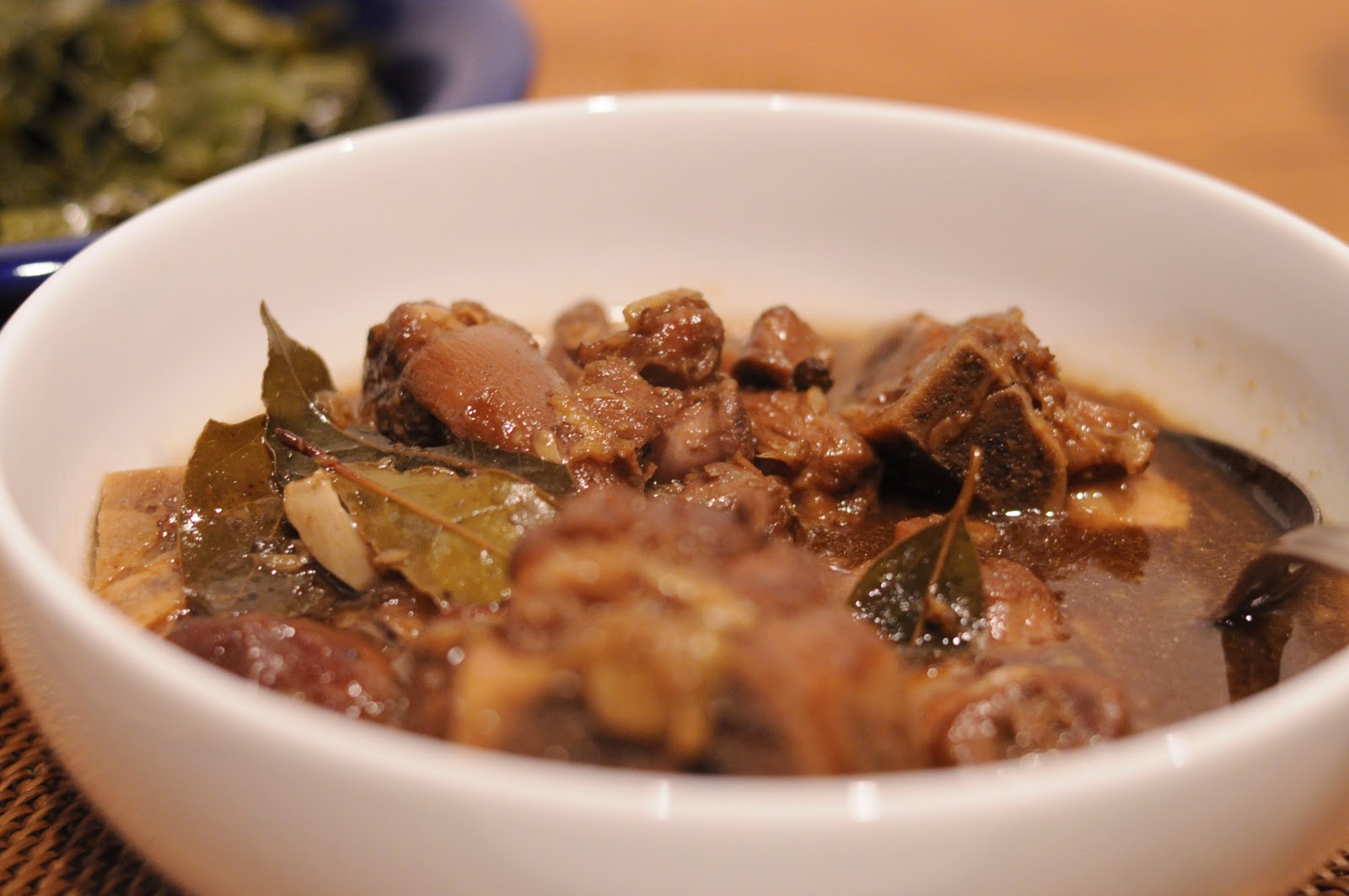
Pata tim is a relative of the equally popular Filipino dish adobo but with added sugar.
The result is a fragrant meat dish that is rich in flavor for having so few ingredients.

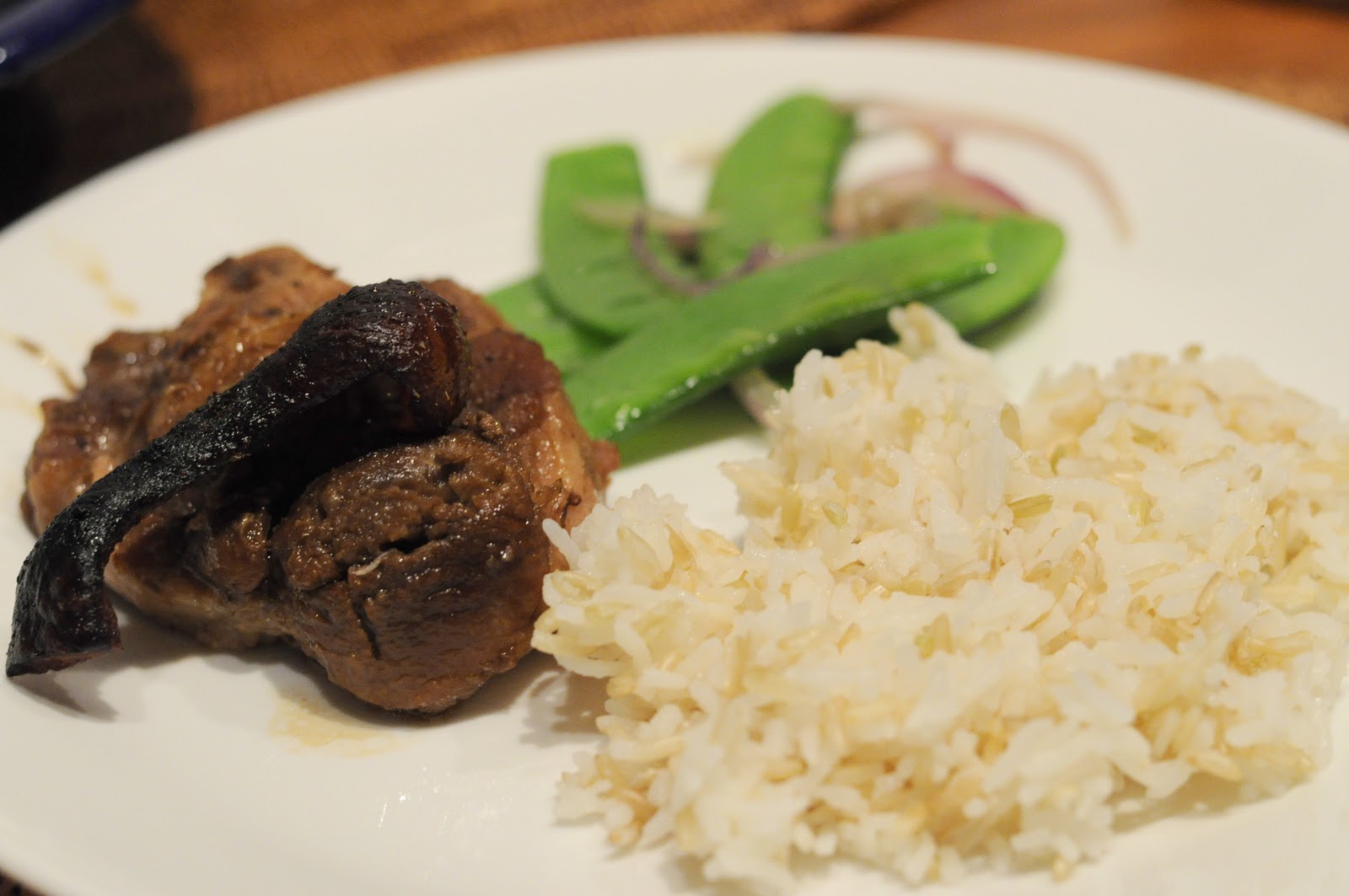
Pata tim with crispy broiled skin and sauteed snap peas, brown rice.
Below is a simple recipe.

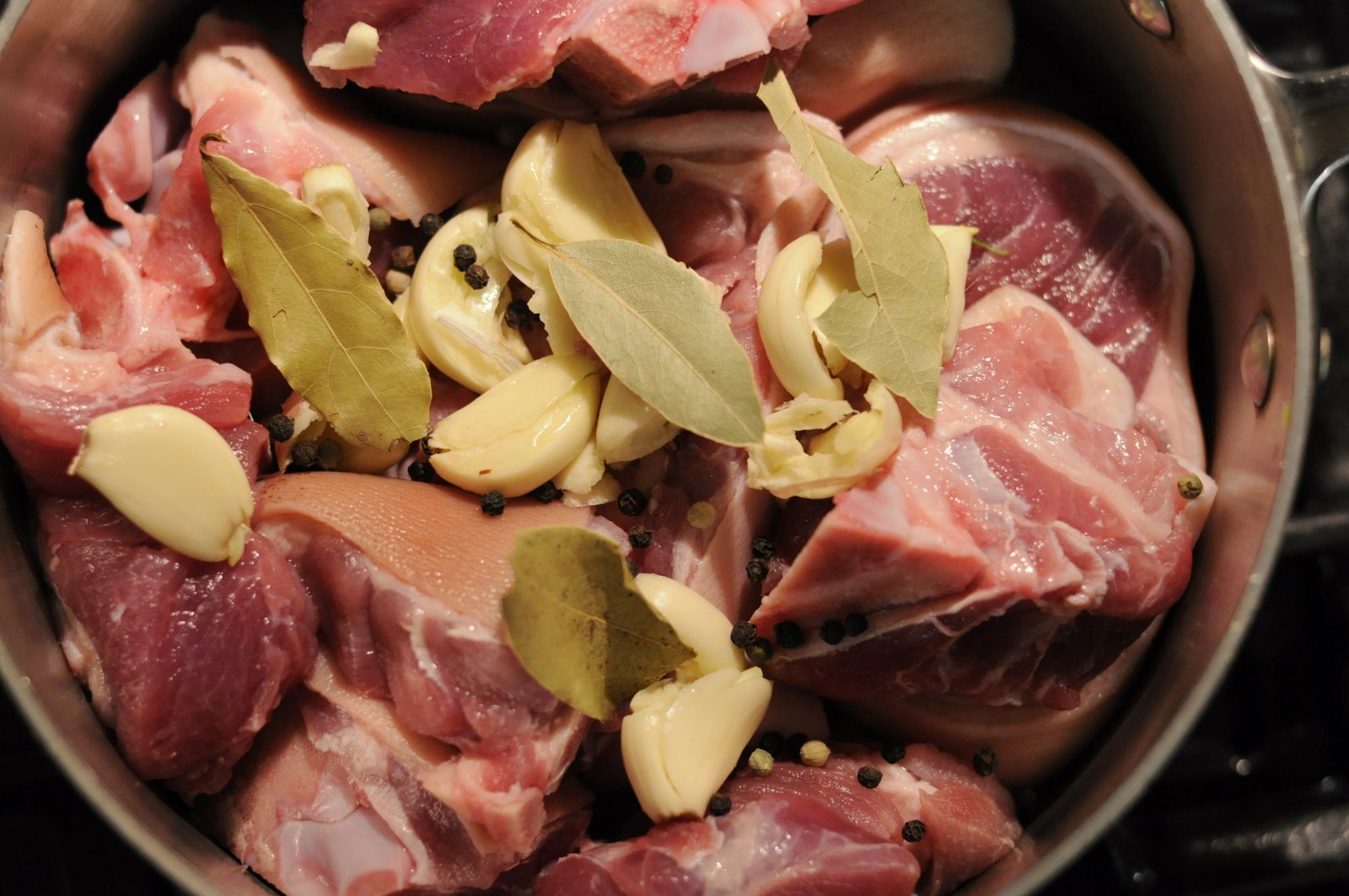
Begin with a bowl of pork knuckles and cut-up shoulder.

Silver Swan is the recommended soy sauce for adobo and pata tim because of its strength and color.
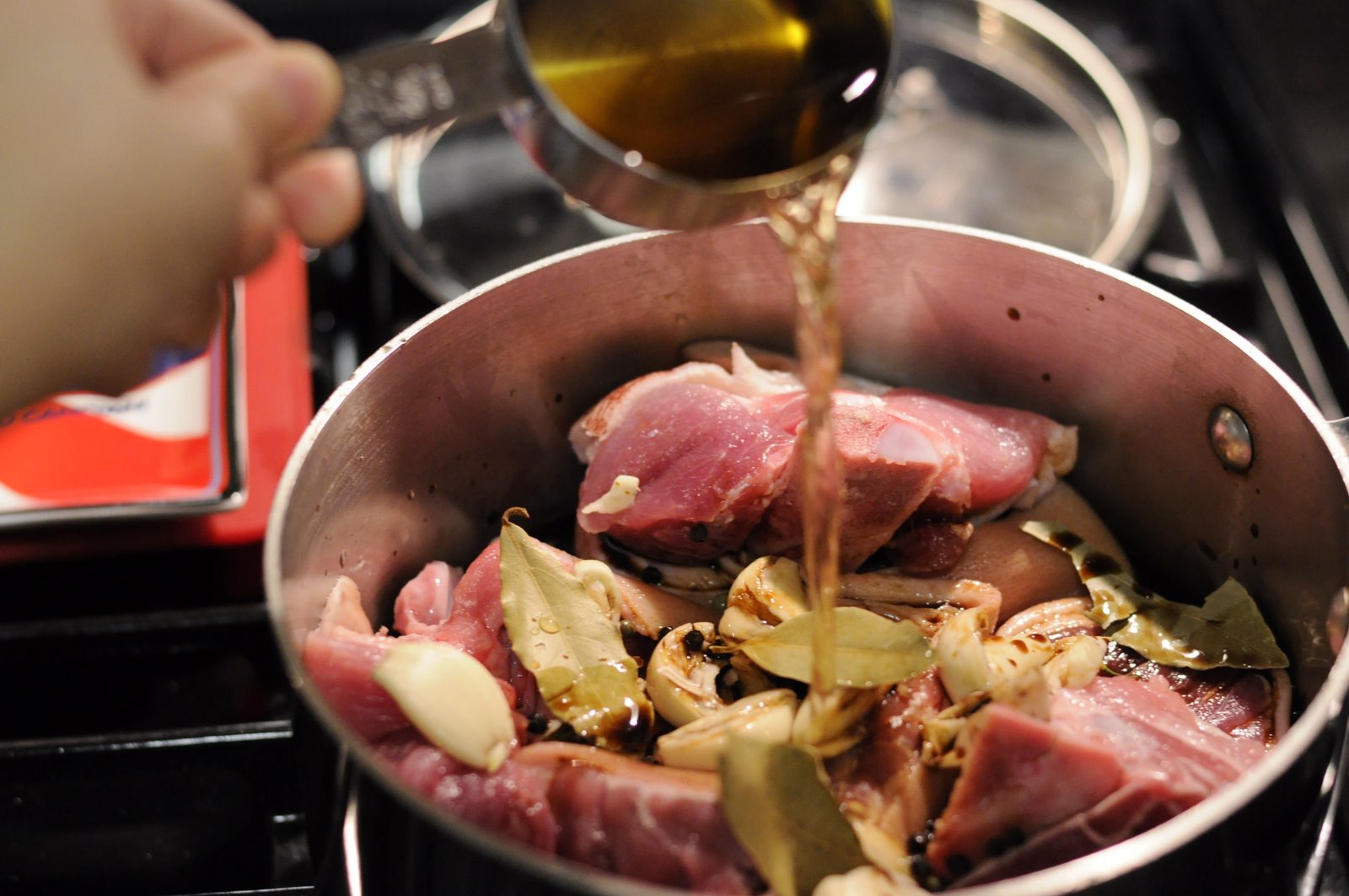
Silver Swan and Datu Puti cane vinegar can be found at good Asian markets. Heinz apple cider vinegar is a suitable substitute for the cane vinegar, but other soy sauces are not going to work.

In a pot combine meat, 1 head crushed garlic, four bay leaves, and 15 whole peppercorns.

Add 1/2 cup soy sauce.

Add 1/2 cup vinegar.

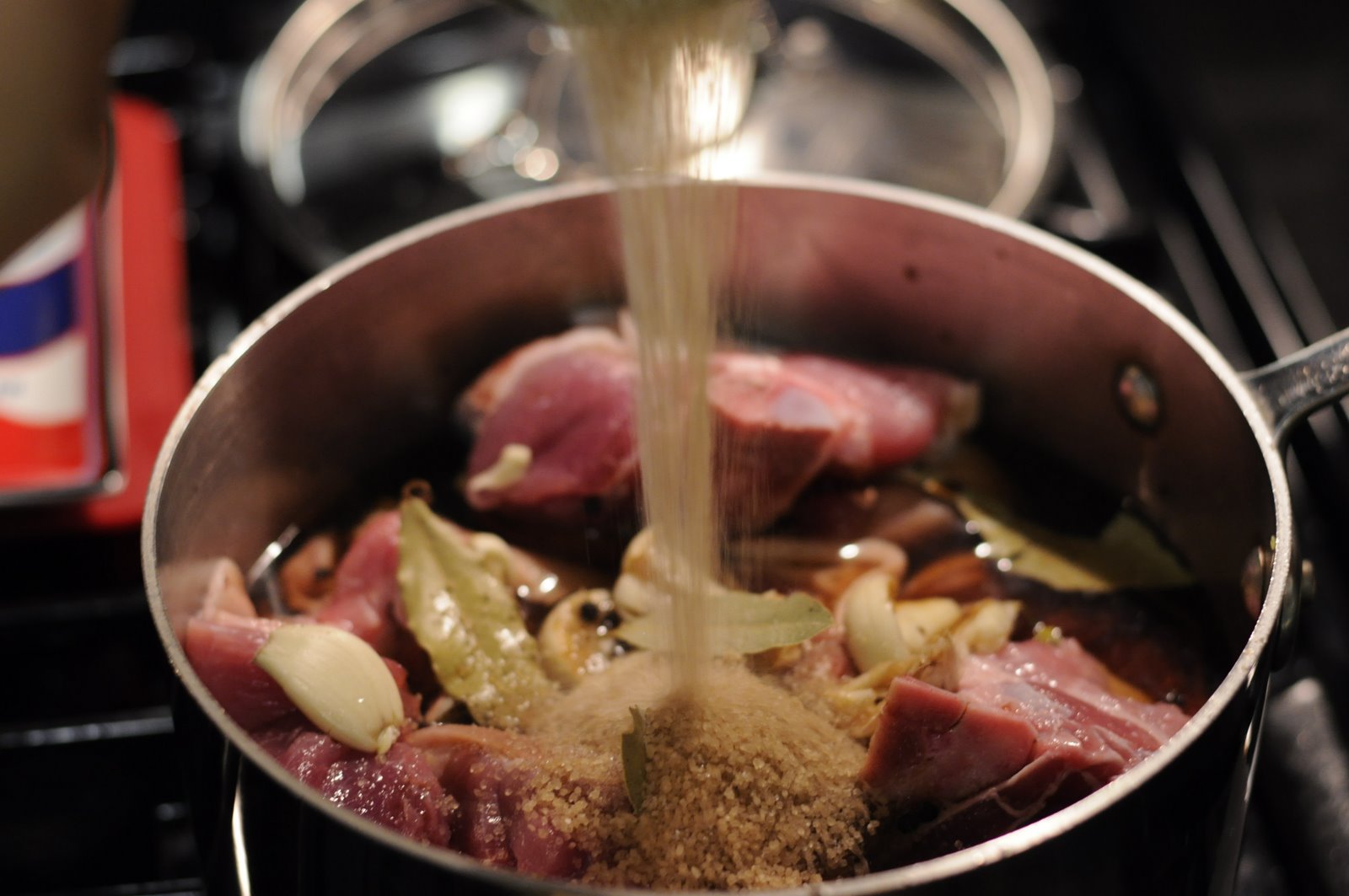
Add 1/2 cup sugar and 1/2 cup water.
For a bigger or smaller pot, use 1:1:1:1 ratio of soy sauce, vinegar, sugar and water.

Simmer covered on low heat for 2 hours until tender.

Tendery juicy sweetness.
Serve with rice and vegetables.
Related Posts Plugin for WordPress, Blogger...