Author Archives: admin

Ginger and Basil Oxtail

There are two beef cuts where one cannot go wrong cooking, so as long as there is time to spare. Oxtail, like short ribs (here and here), are flavorful pieces of bone-in meat that only need to be slow cooked with minimal seasoning to produce a tender and tasty dish that but packs a flavor punch.
The bones add a rich and marrow-like flavor to the stew whose sauce is good enough to mop bread or rice with. It’s common to find oxtails used in peanut stews like kare-kare, or in Spanish dishes as stews and sauces for mofongos and the like.
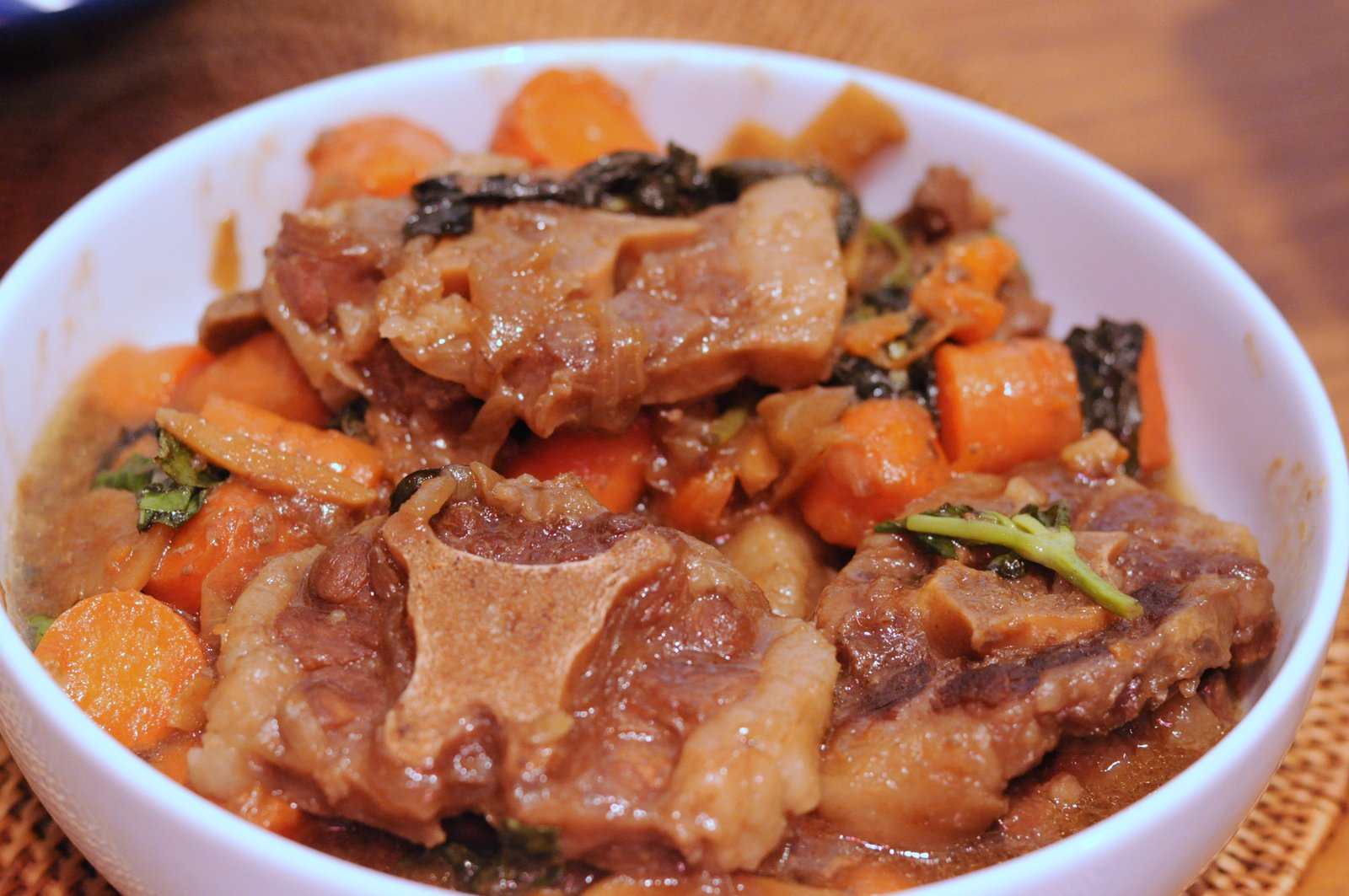
Ginger and basil oxtail is one of those dishes with limited ingredients, but with an amazing and layered taste.
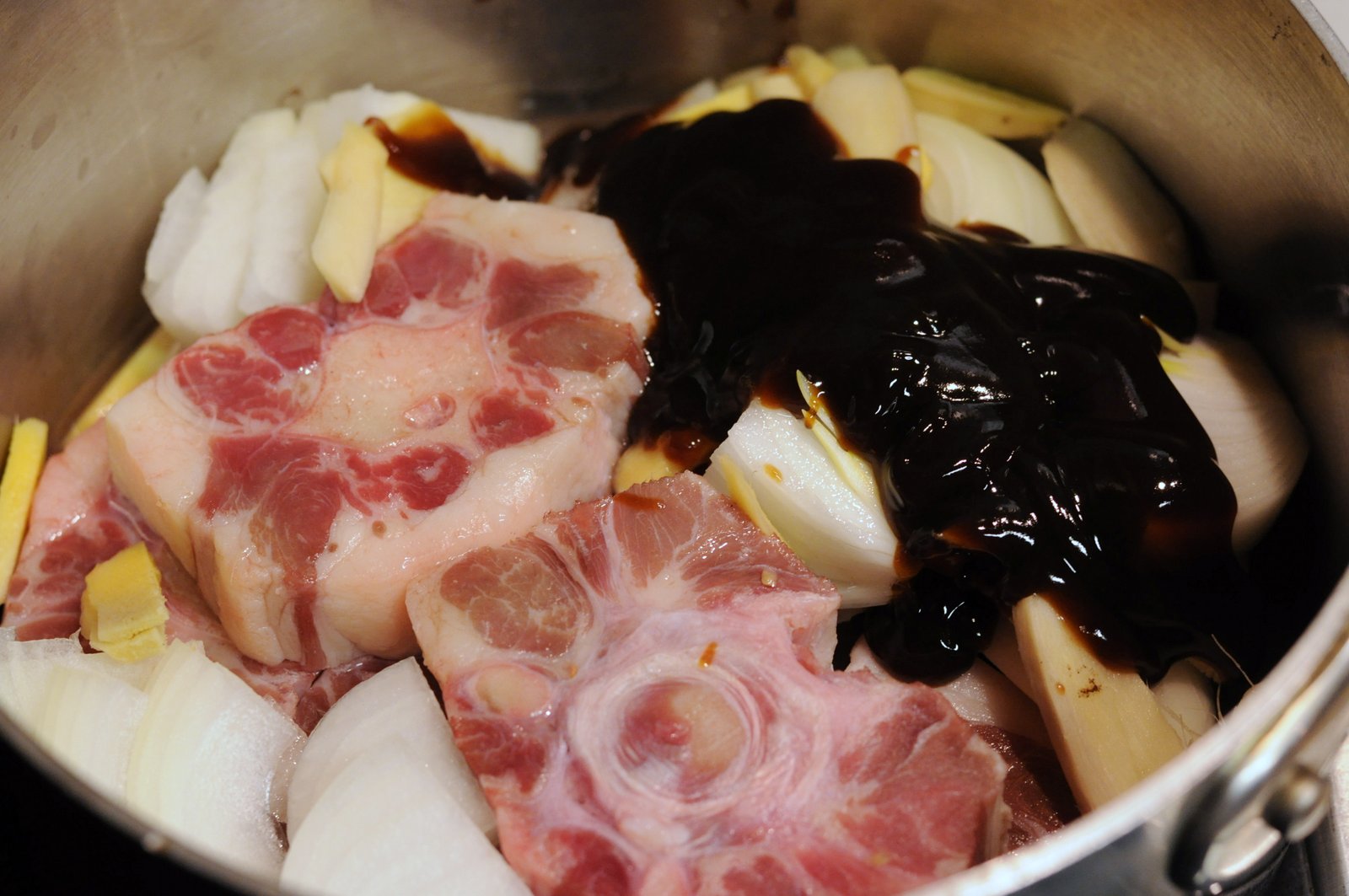
Oxtail, ginger, onion and oyster sauce are simmered in a pot.
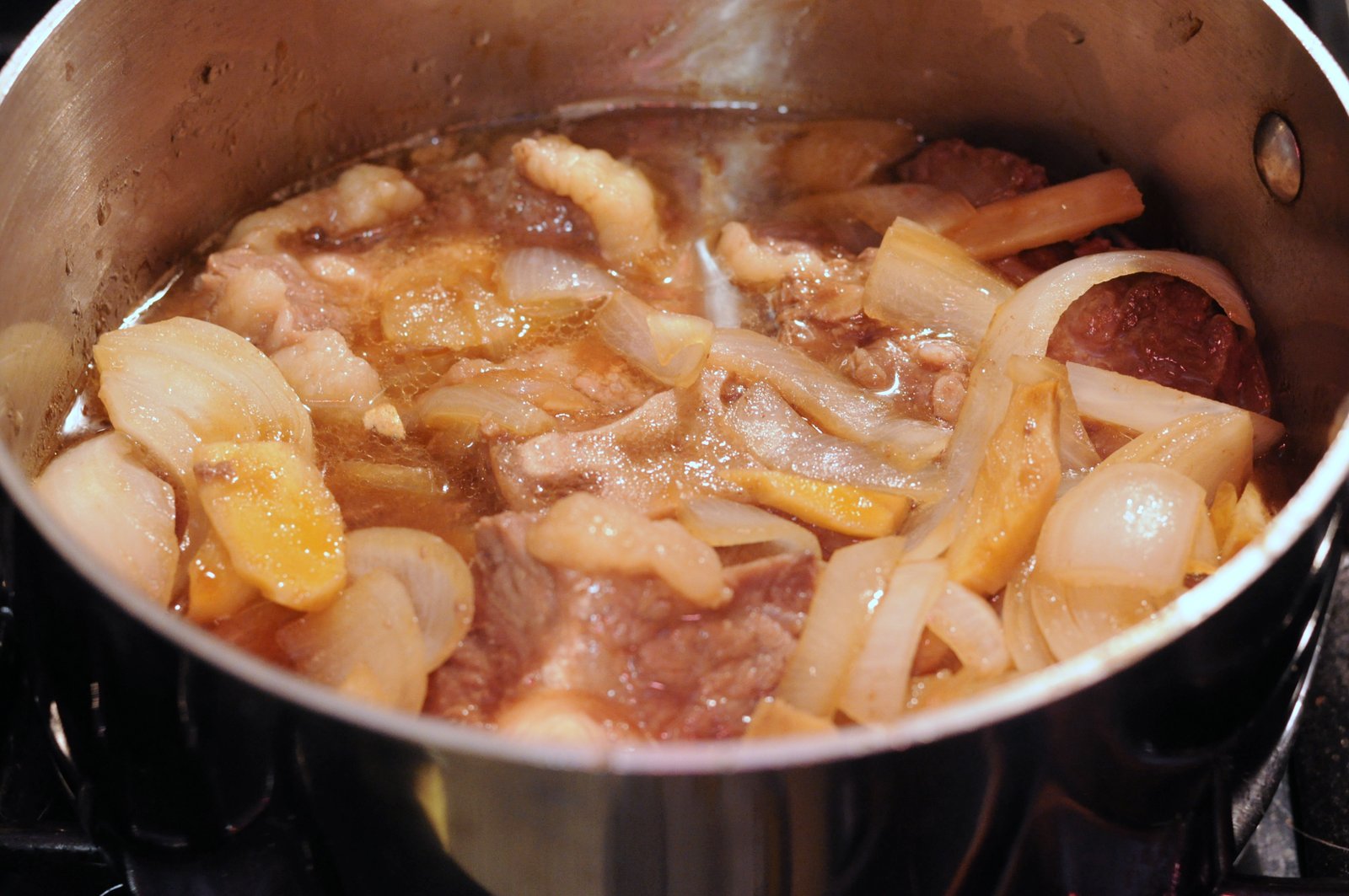
Thirty minutes.
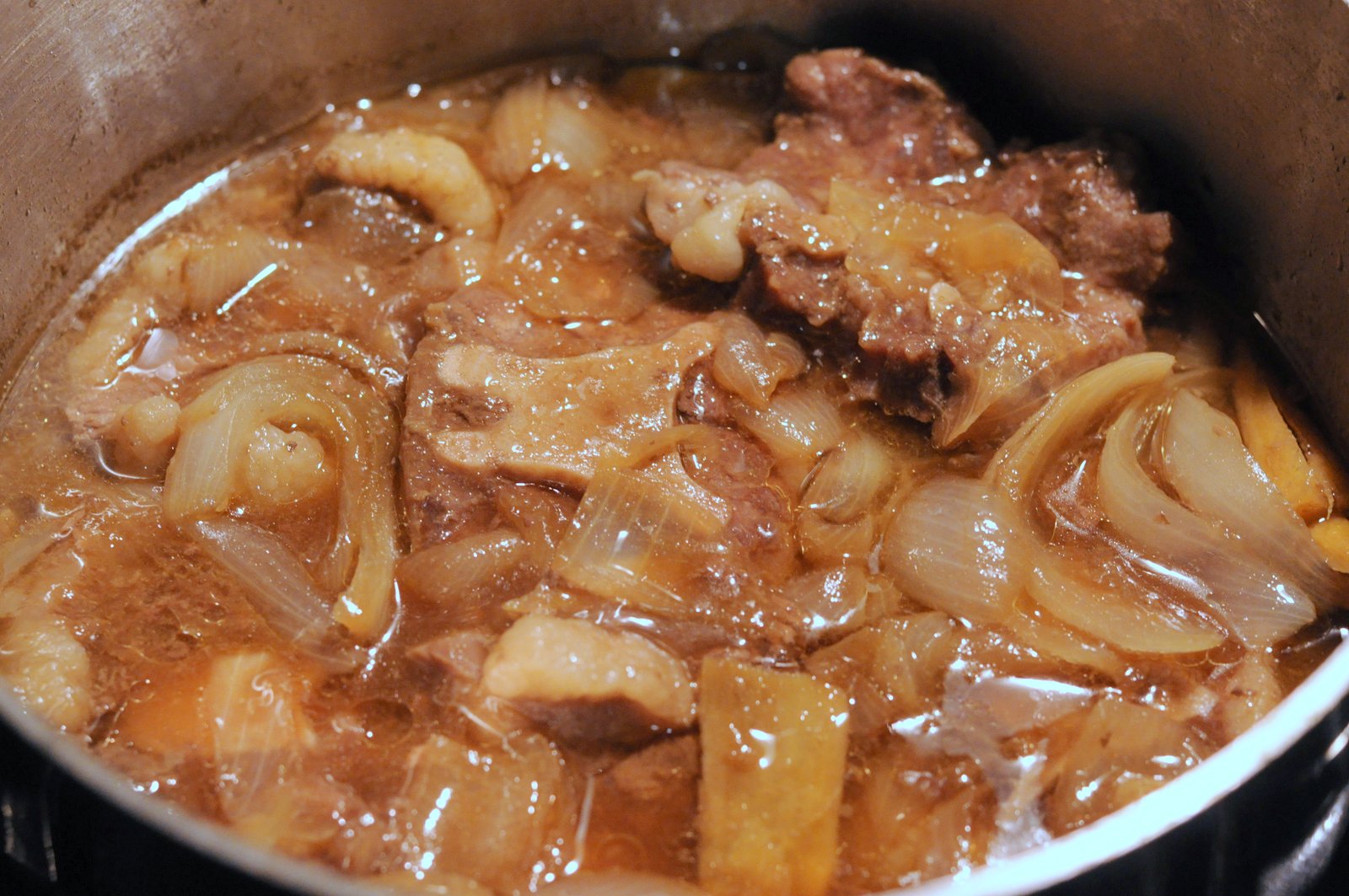
One hour.
Two hours.
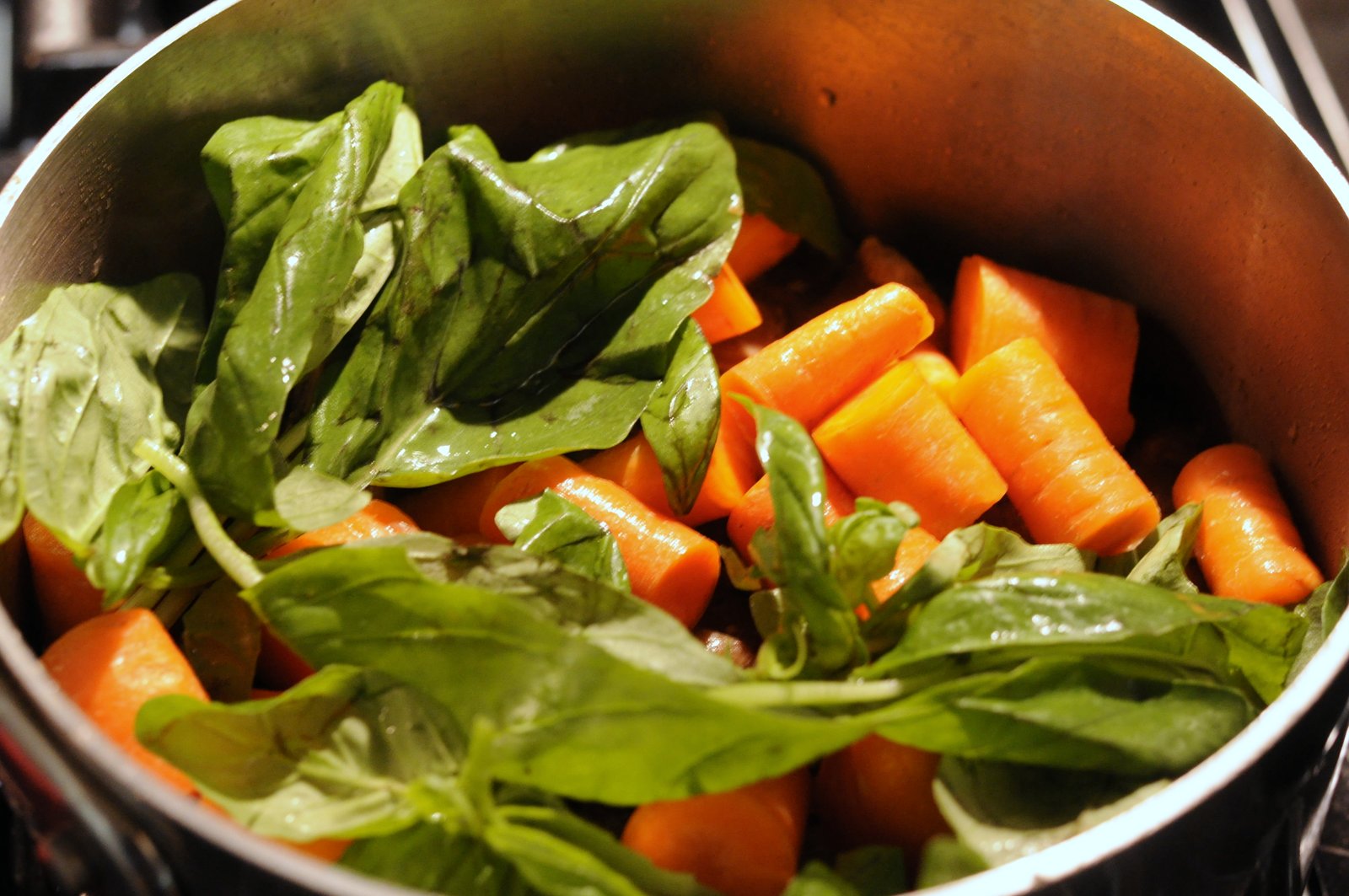
Carrots and basil are added.
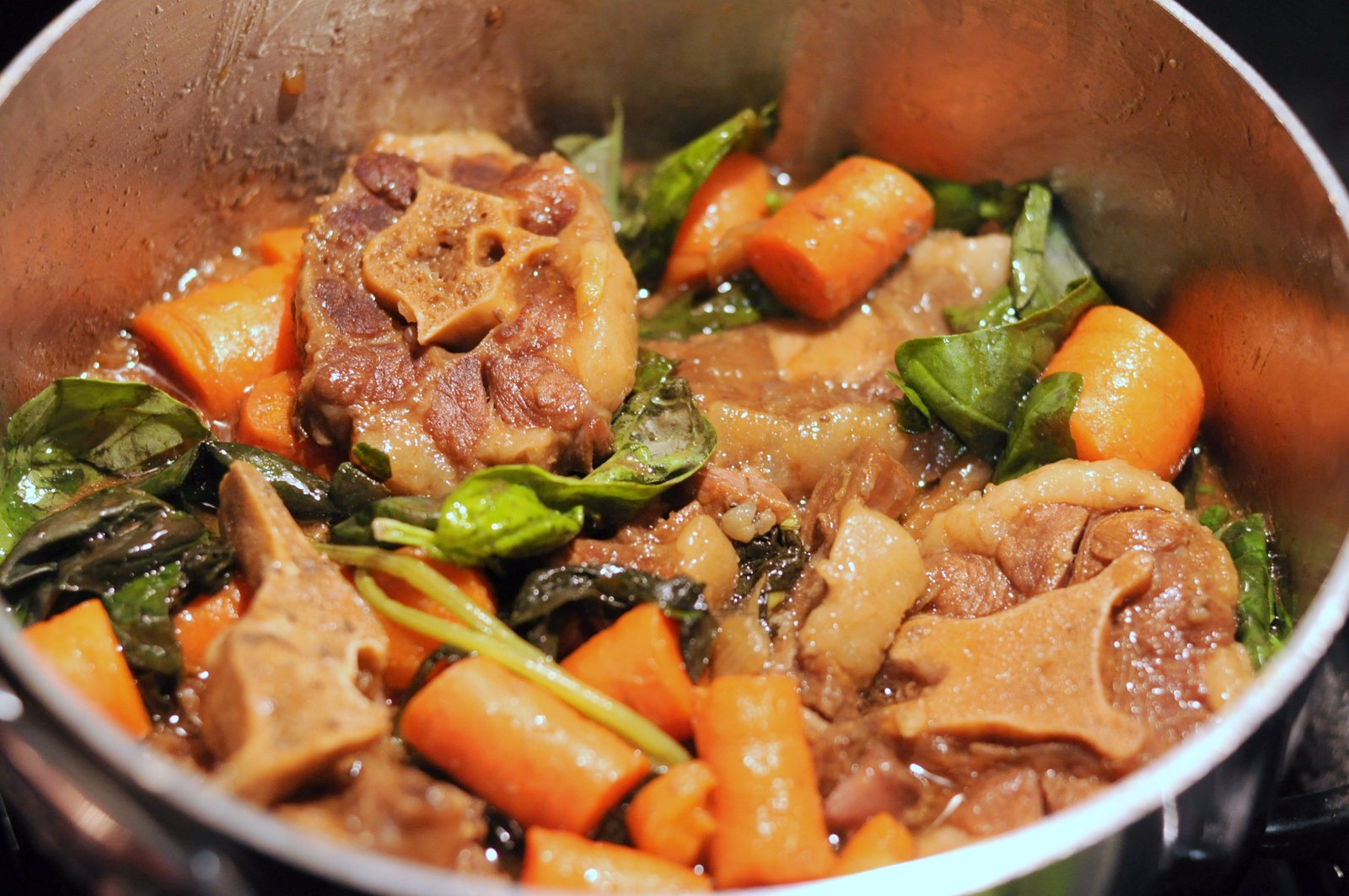
Simmer some more until carrots are cooked.
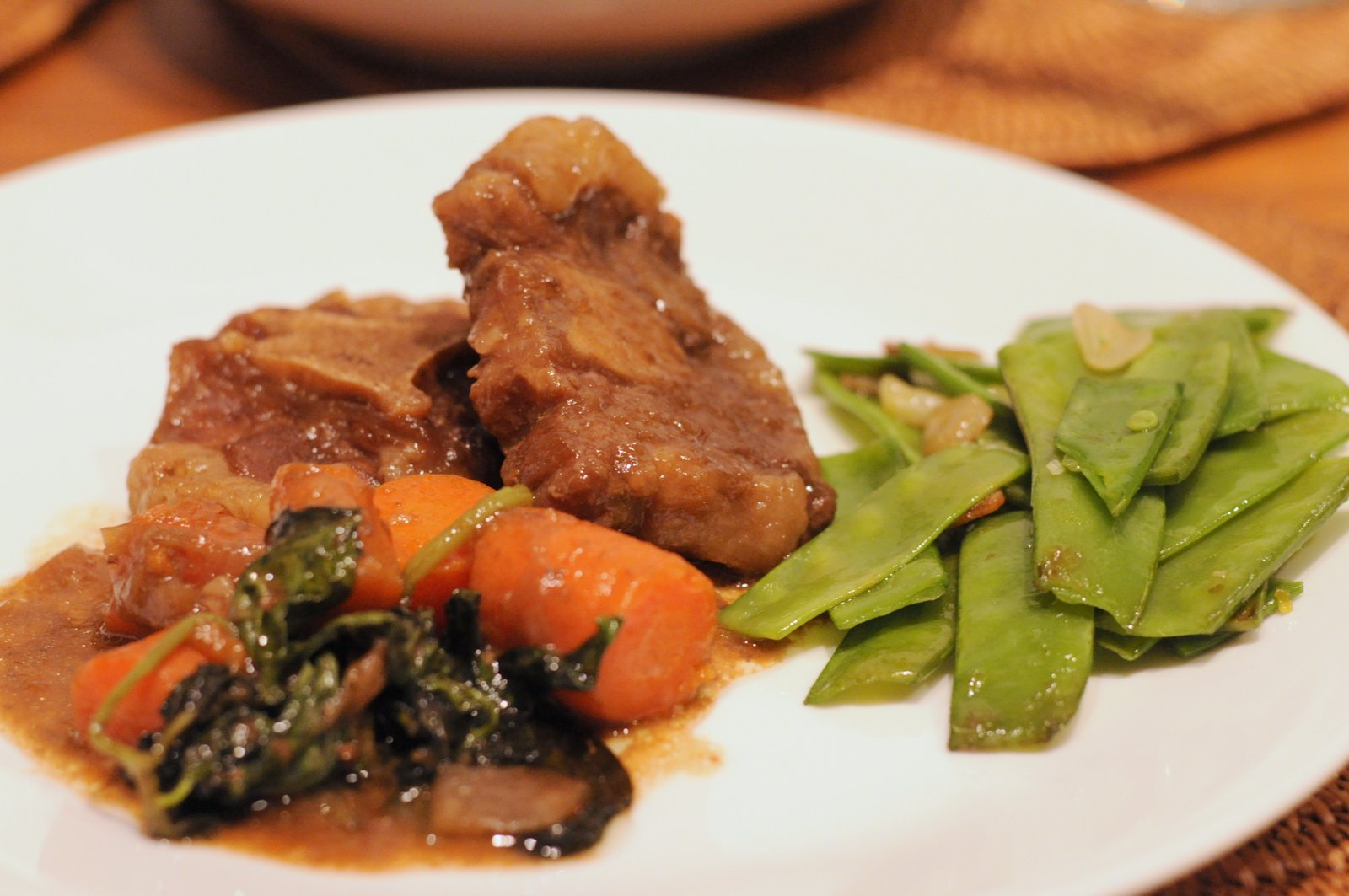
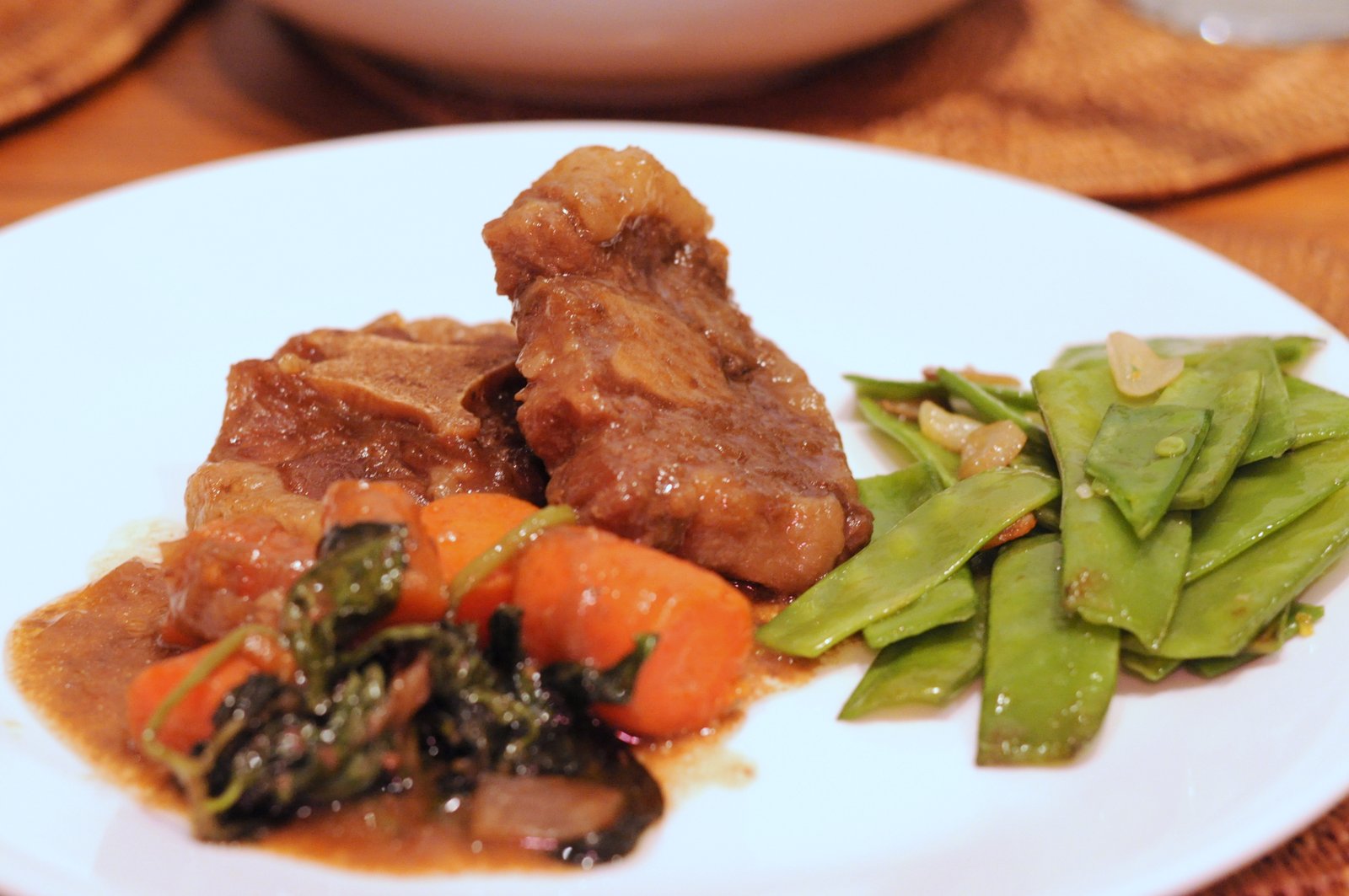
Served with snap peas.

Ginger and Basil Oxtail

Ingredients:

5-6 pieces 1-inch thick oxtail
1 whole onion, cut in quarters
2-inch piece of ginger, sliced
1/4 cup oyster sauce
1 cup water
2 medium carrots, sliced into 1-inch rounds
1/2 bunch basil leaves, washed

In a pot, simmer first five ingredients covered over low heat until meat is tender, about two and a half hours. Stir occasionally, adding carrots in the last thirty minutes and the basil fifteen minutes before serving.

Serve with vegetables and rice. Serves 3-4.

Voting With Our Forks (A Regular Consumer’s Take on the Changing Food Landscape)

As broken as much ofour modern industrial food system is, consumers still wield the ultimate power:We can vote with our forks. Eventually, the message gets across. Witness thegrowth of all things organic…No laws decreed that farmers produce more organicfood, but thanks to consumer demand, it’s the fastest growing segment of thegrocery industry. No laws forbade farmers from administering rBGH to cows.Shoppers just wouldn’t buy the stuff.BarryEstabrook for The Atlantic,  February 27,2012
 

Murray’s Organic Chicken
 Food, Inc. was rightwhen it said that everyone has the power to change the food productionlandscape because we are able to vote at least three times a day, but thisdoesn’t mean that I knew it before I saw that documentary.
Before my eyes were opened to that fact, I was pretty sure Iwas limited to the system of the American supermarket I was introduced to in2002 when I moved her from Asia. Tomatoes wereenormous, radiated, chilled and went from a light orange to rotten without ever turning red. There weren’t many varieties of cheese and milk. Organic foodbelonged to an aisle I avoided because everything in that section just seemedunrealistically expensive, and definitely out of reach.
Organic Cheese Section
When I learned from the documentary and more of Michael Pollan’s sentiments that there areactually options, I began to make more informed choices for my meals and eatinghabits.  I realized that the purchase ofGMOs and feedlot meats had a direct impact on social issues including those Icared particularly for, like immigrant rights. I also learned that I didn’thave to be a tree-hugging vegan to make sustainable decisions when it comes tomy food choices.

I began to try organic produce. I started to start cookingdishes heavier on vegetables rather than mainly starring meat. When buying meat, Itried to buy the organic, antibiotic- and hormone-free varieties. I boughtfree-range chickens and eggs. I stopped shopping at the regular grocery storeand instead make majority of my purchases from an establishment that doesn’teven carry feedlot meat, GMOs, or non-organic produce. I realized eating betterwasn’t so out of reach after all. And I discovered that unadulterated food actually tastes better!
I am sure I am not alone in this. Lately my neighborhoodbodega has started to carry organic products and a whole line of free-rangeeggs, organic milk and cheese. People have started to change the market in away that affects production practices and lowers costs. Murray’s chicken, a favorite organicfree-range chicken once only sold in specialty stores such as Whole Foods or the Food Coop, has found its way to Trader Joe’s and now even the veryconventional Key Food. Could it be thatpeople just aren’t buying feedlot chickens anymore? Prices have also gone down.
It makes me happy that regular consumers like me canactually battle large food industries with our everyday decisions. It makes mefeel optimistic that things might actually change in a way that positivelyimpacts society and the environment.  When it comes to changing how ourfood is made, one doesn’t even need to be an activist – just an eater makingbetter choices.

All text and photos by DopamineJunkie.org unless otherwise indicated. ©2012 DopamineJunkie.org

Ginisang Itlog (Sautéed Eggs)

We spent four days in Vermont cooking and eating with our dear friends who asked the same question (Mmmm…What’s in this?) and got the same answer (Fish sauce!) every time something was served to them.
It took a few days to convince them that fish sauce definitely is a major player in Filipino cuisine. Often used as a salt substitute, fish sauce adds a new dimension to the salty flavor, which by the time the dish is cooked is hardly detectable as an actual fish-based essence.
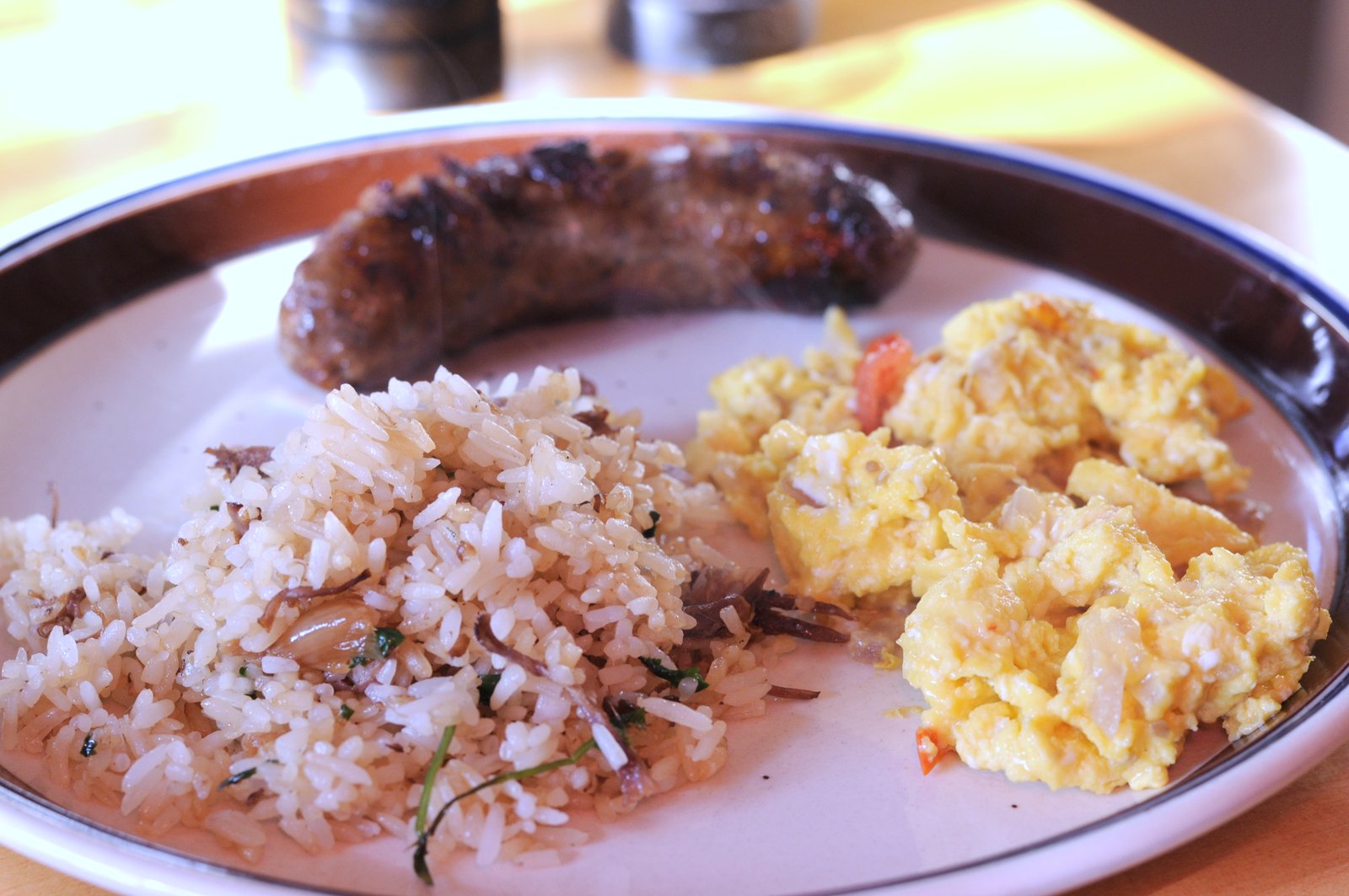
Ginisang itlong served with adobo fried rice and sausage.

Case in point would be the typical breakfast side of sautéed eggs. Ginisang itlog would simply be considered an omelet if not for the fish sauce, which is added during the process of sautéing the onions and tomatoes. By the way, the smell of onions, tomatoes and fish sauce is unmistakably Filipino. All I need to do is close my eyes and I am back in my nanny’s kitchen. I am ten years old, waiting for the day I would be handed the ladle.

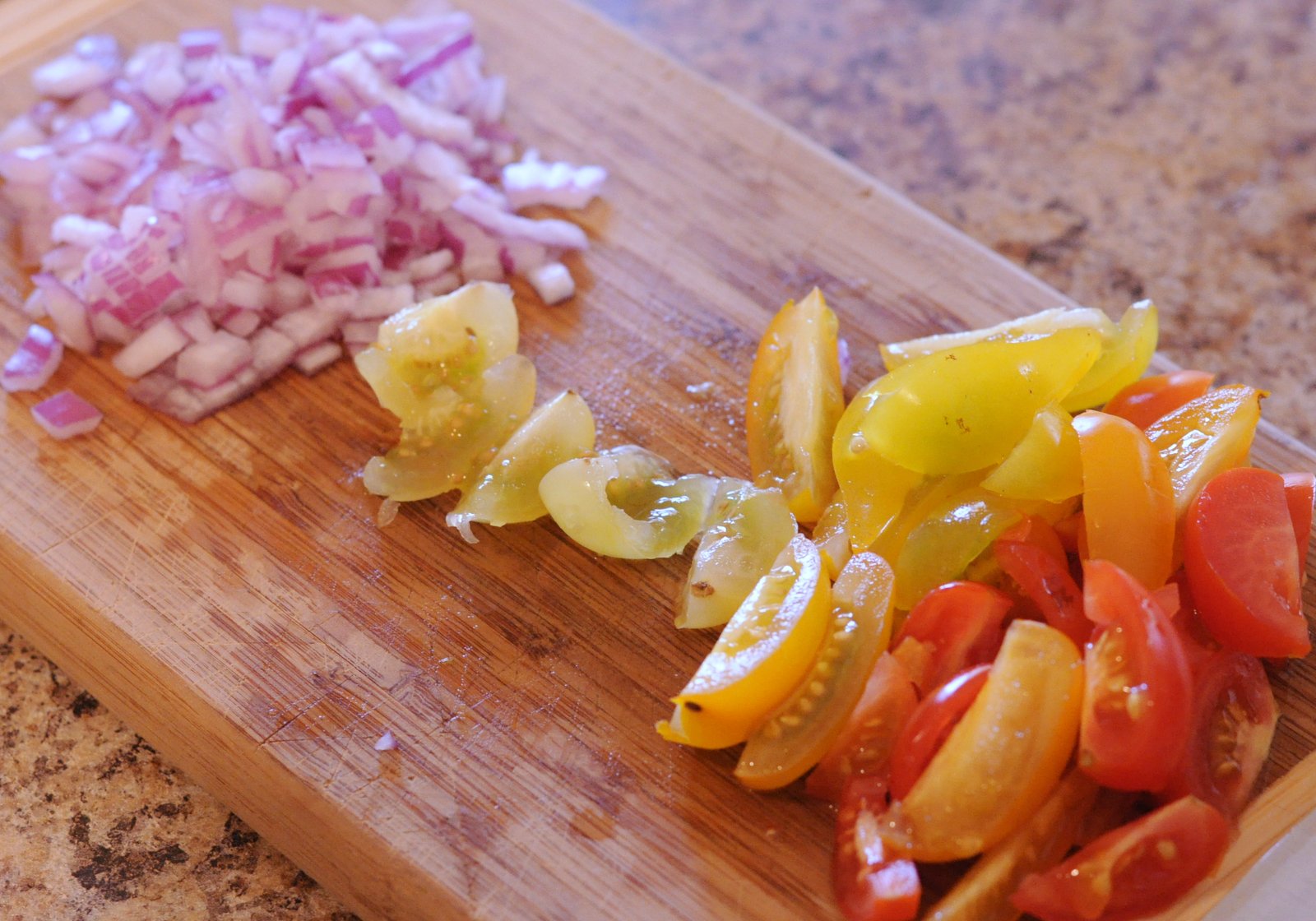
We begin by chopping up some tomatoes and onions. Ripe, unrefrigerated tomatoes work best.

They are sauteed in oil and 1/2 teaspoon of Thai fish sauce
(less if using Filipino fish sauce) for every four eggs until soft.
The consistency of the tomatoes and onions is key here.
They must be mushy and liquefied before the eggs are added.

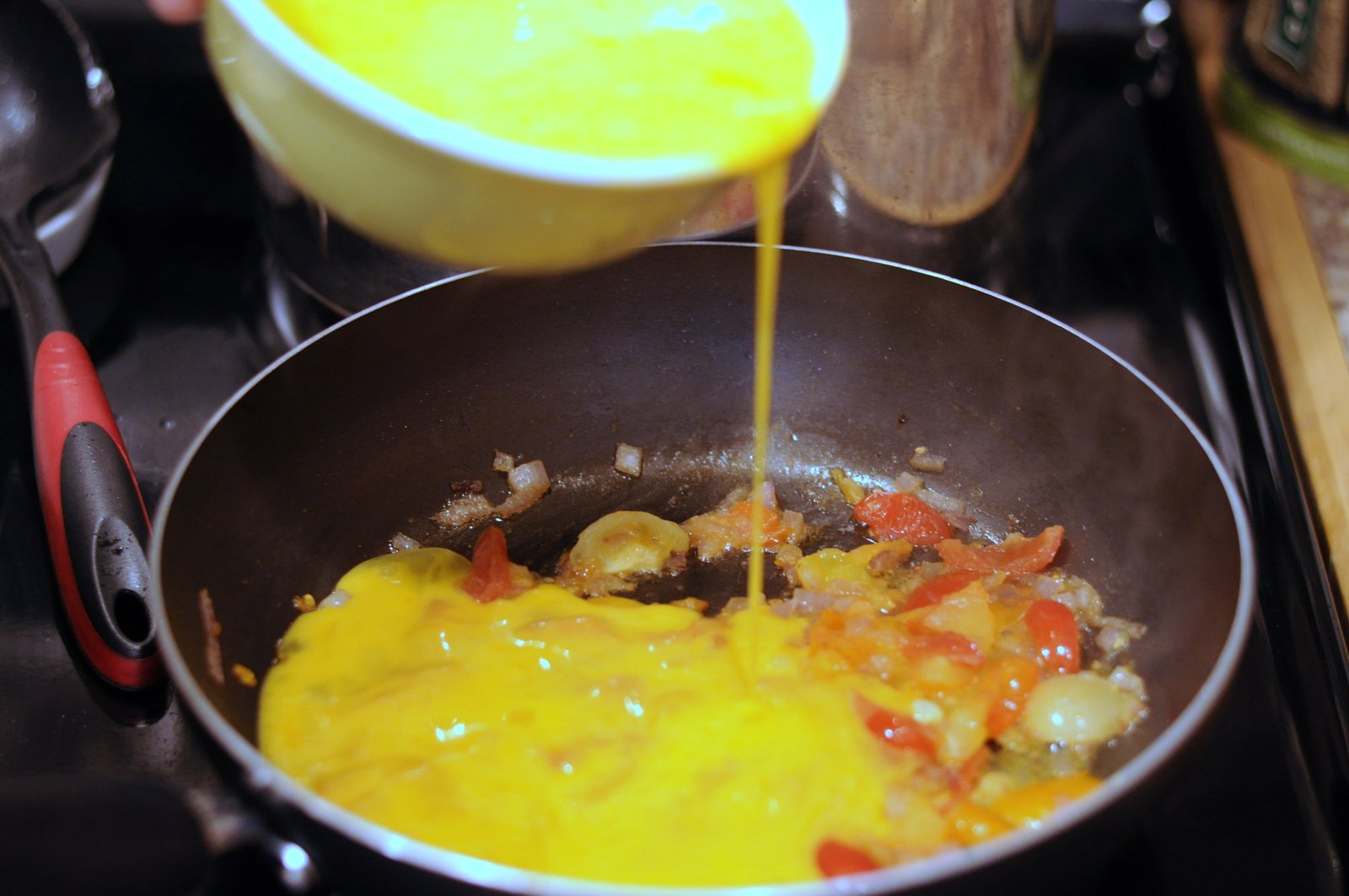
Beaten eggs are added and stirred into the mixture on medium heat.
Remove from heat while eggs are still runny. It will continue cooking as it rests.
Serve promptly with your Filipino farmer’s breakfast!

Lechon Paksiw: Another Celebration of Excess

It was the day of the Christmas party in the mid-1980s. I woke up to the sound of screaming pigs that morning and later learned that two whole pigs were slaughtered for the evening’s feast. The crime happened in the backyard and went on the entire day, a pit of red coals roasting two pigs turning on bamboo spits until they reached a red and golden color.

Later on it was decided that buying a whole roasted pig (lechon, in Tagalog) was far more convenient and economical than hiring a manglilitson (lechon maker). Either way the morning resulted in a surplus of meat and skin to be made into a stew called Lechon Paksiw.

“Paksiw” in itself is a term denoting a stew with vinegar. Used also for fish, it is designed to prolong the shelf life of food because the acid in the dish prevented bacteria from growing. Just like in adobo, which my family packed on many a beach trip because it kept well.

I was able to scam a roasted pig‘s head and some meat pieces from a recent Sopressata Making Class and we decided to make another favorite stew. To me the taste of lechon paksiw reminds only of mornings-after where a stew would be eaten for many days to come, reliving the original roast and the happy occasion. (Incidentally, we’ve made paksiw with leftover crispy pata or lechon kawali pieces.)

Roast pig pieces are placed in a pot along with bay leaves, peppercorns, garlic, vinegar and sugar.

This mixture is slow cooked for about three hours until falling-apart tender, adding more liquid if necessary.

Lechon sauce (provided when one orders it from a Filipino source) is added. Otherwise Mang Tomas Sauce is a great alternative.
The stew is cooked until it reaches a thick and rich consistency.

Served with rice and greens.

Rosario’s Lechon Paksiw


3-4 pounds leftover meat pieces and skin from a roasted pig, crispy pata, or lechon kawali
1 cup white vinegar
1 cup sugar
1/2 cup water
1 head garlic
5 bay leaves
10 peppercorns
1 bottle Mang Tomas or other lechon sauce

In a pot combine meat and all other ingredients except lechon sauce. Stew covered on low heat for about two hours, stirring occasionally. If sauce dries up, add vinegar and water in a 1:1 ratio. When meat is tender and skin is soft and curled, add the lechon sauce diluted with 1 cup of water and simmer for another 20 minutes. Adjust seasoning with salt or sugar.

Serve with rice and vegetables.

Related Posts Plugin for WordPress, Blogger...