Author Archives: admin

In Vermont, We Ate

President’s Weekend marks the annual ski trip we take with friends, the word “ski” used loosely as this is really more a showcase of food and drink.This year’s group was not that big, just two couples and a baby, so we were able to have the luxury of cooking in small batches as opposed to the usual stock pot designed to serve ten or more.

Shakshuka AKA Delicious – Eggs poached in tomato, chickpeas, feta.

Aside from good Vermont snow we shared a lot of genuine conversation not usually afforded by bigger groups. Oh, and the food!

Here is the spread (more photos and recipes when you click the caption links):

Baked Bronzino (click for recipe)

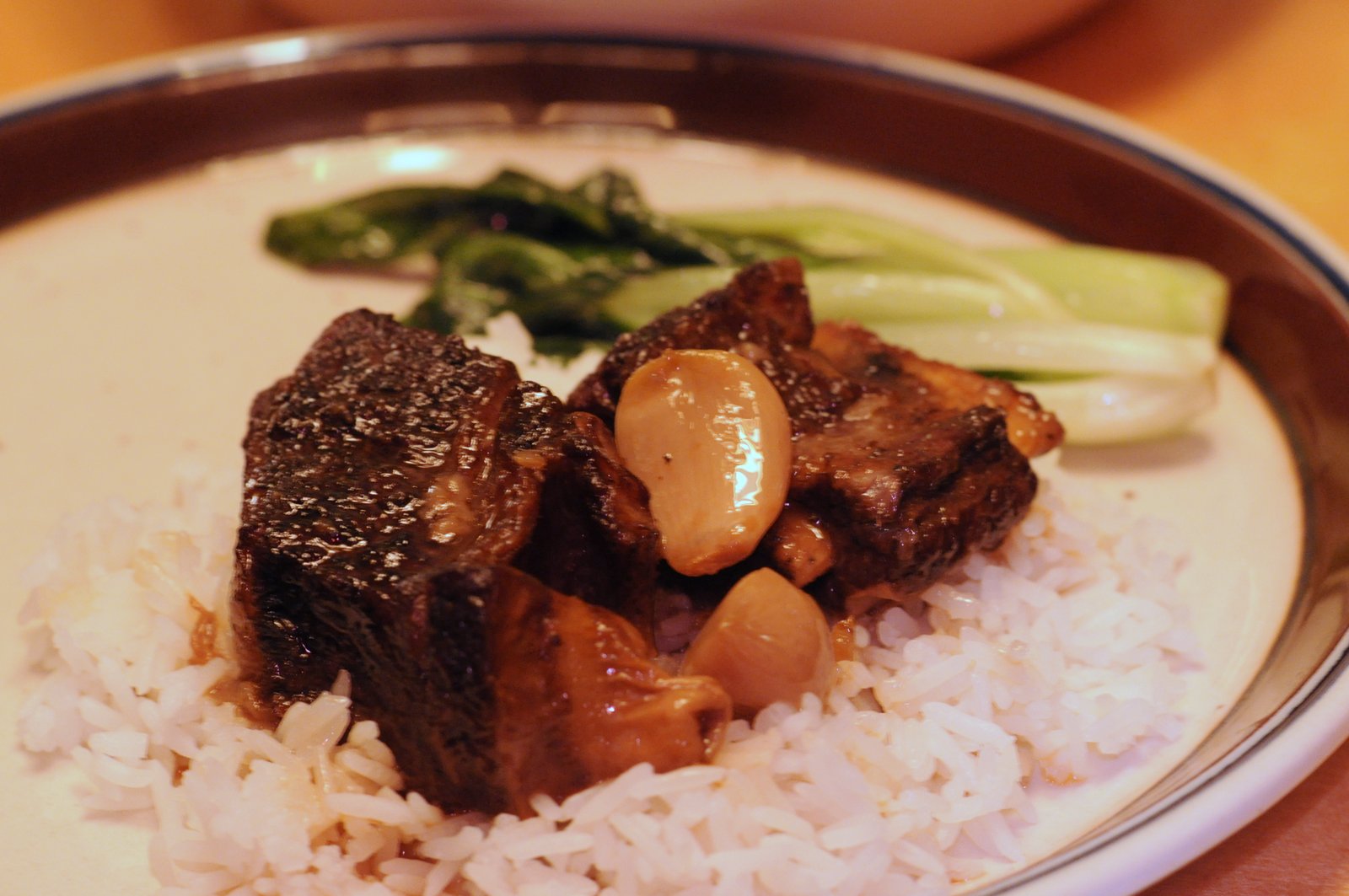
Short Rib Adobo (click for recipe)

Steamed Choysum with Sauteed Ginger

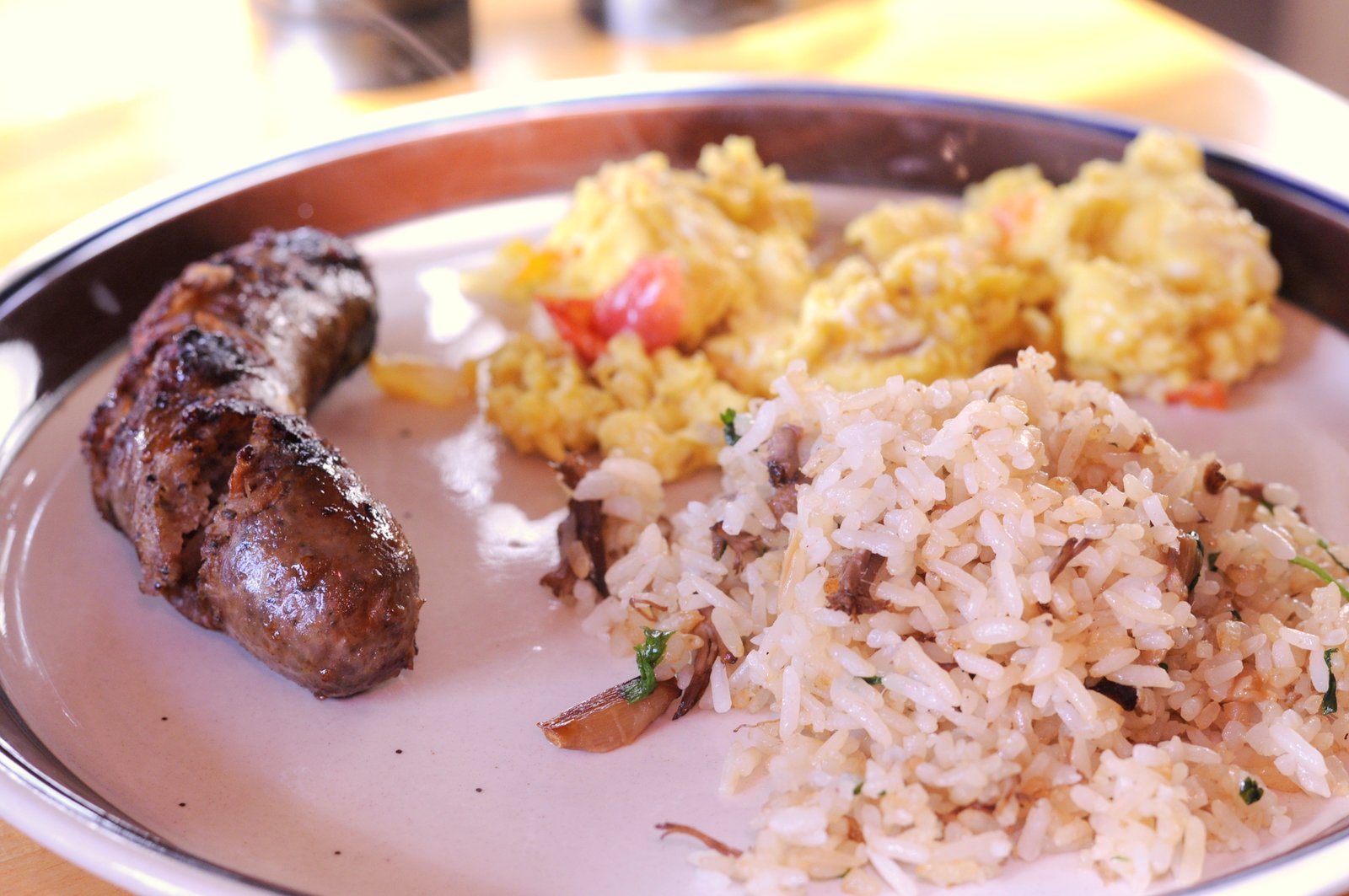
Adobo Fried Rice and Sauteed Eggs (click for recipe)
Kale Salad (click for recipe)

More sopressata, grape tomatoes, cheese.
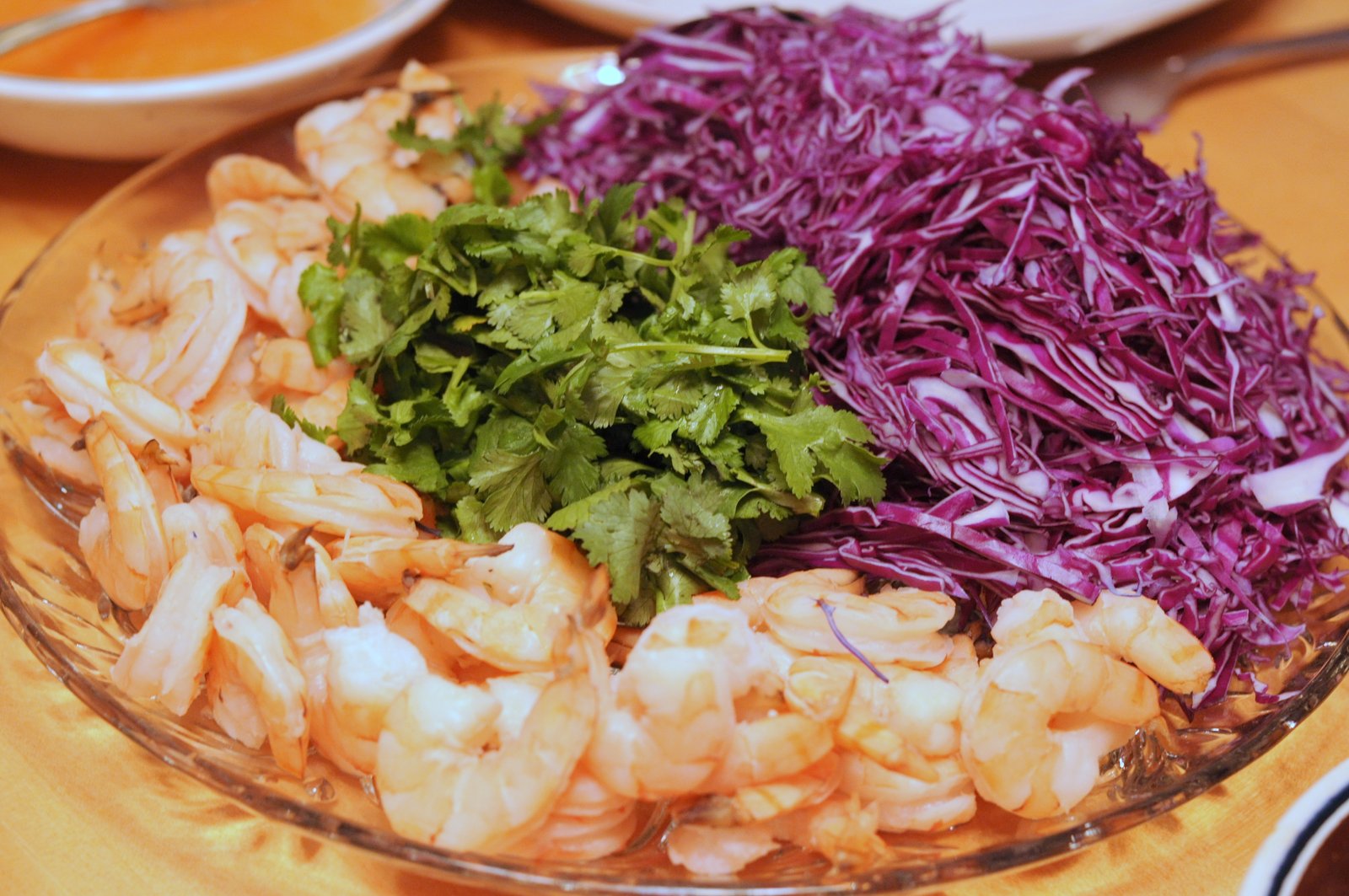
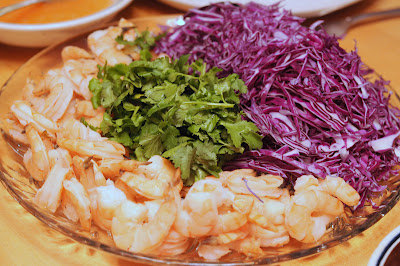
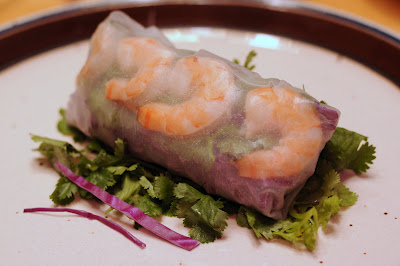
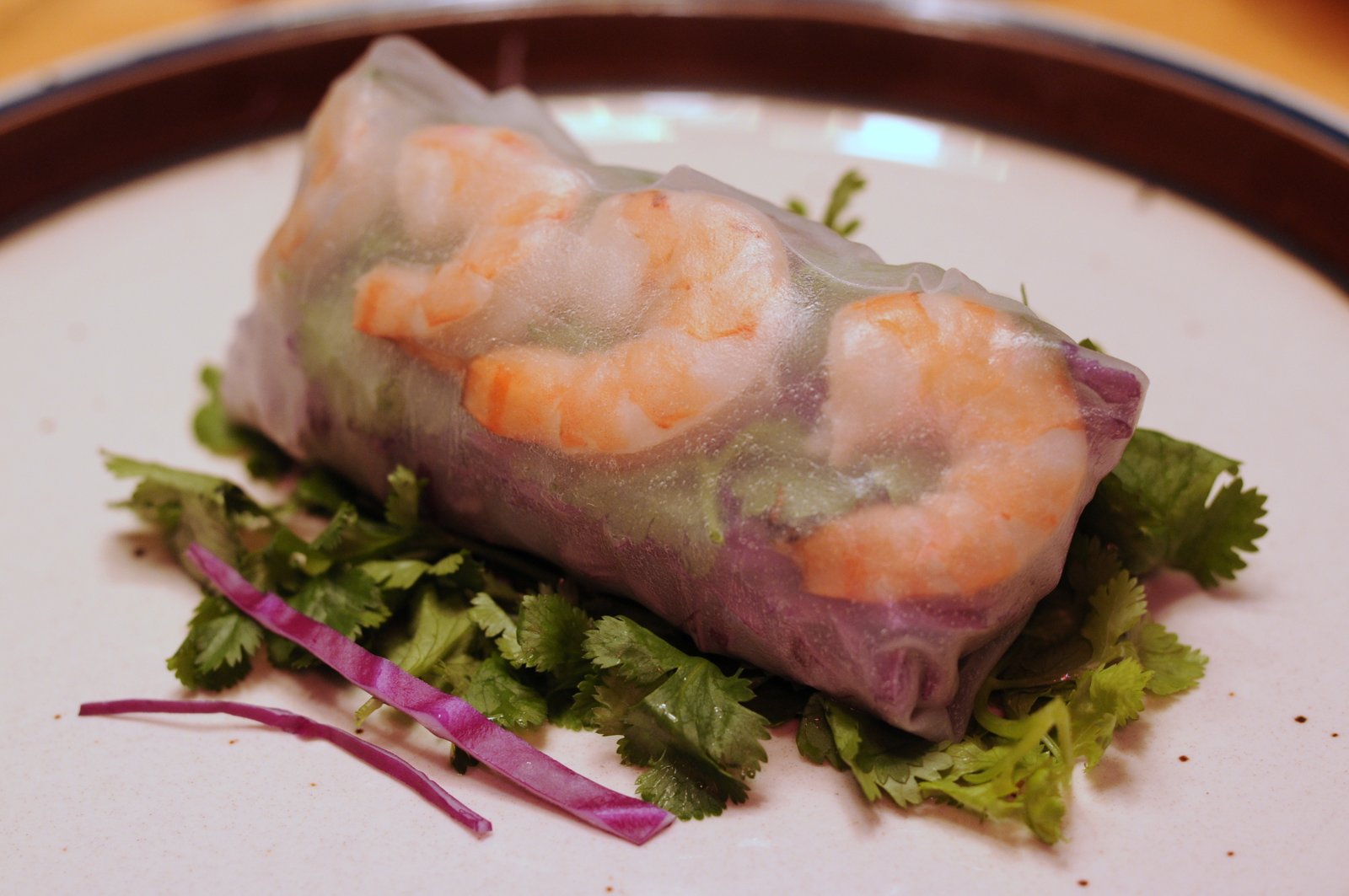
Vietnamese Summer Rolls (click for recipe)
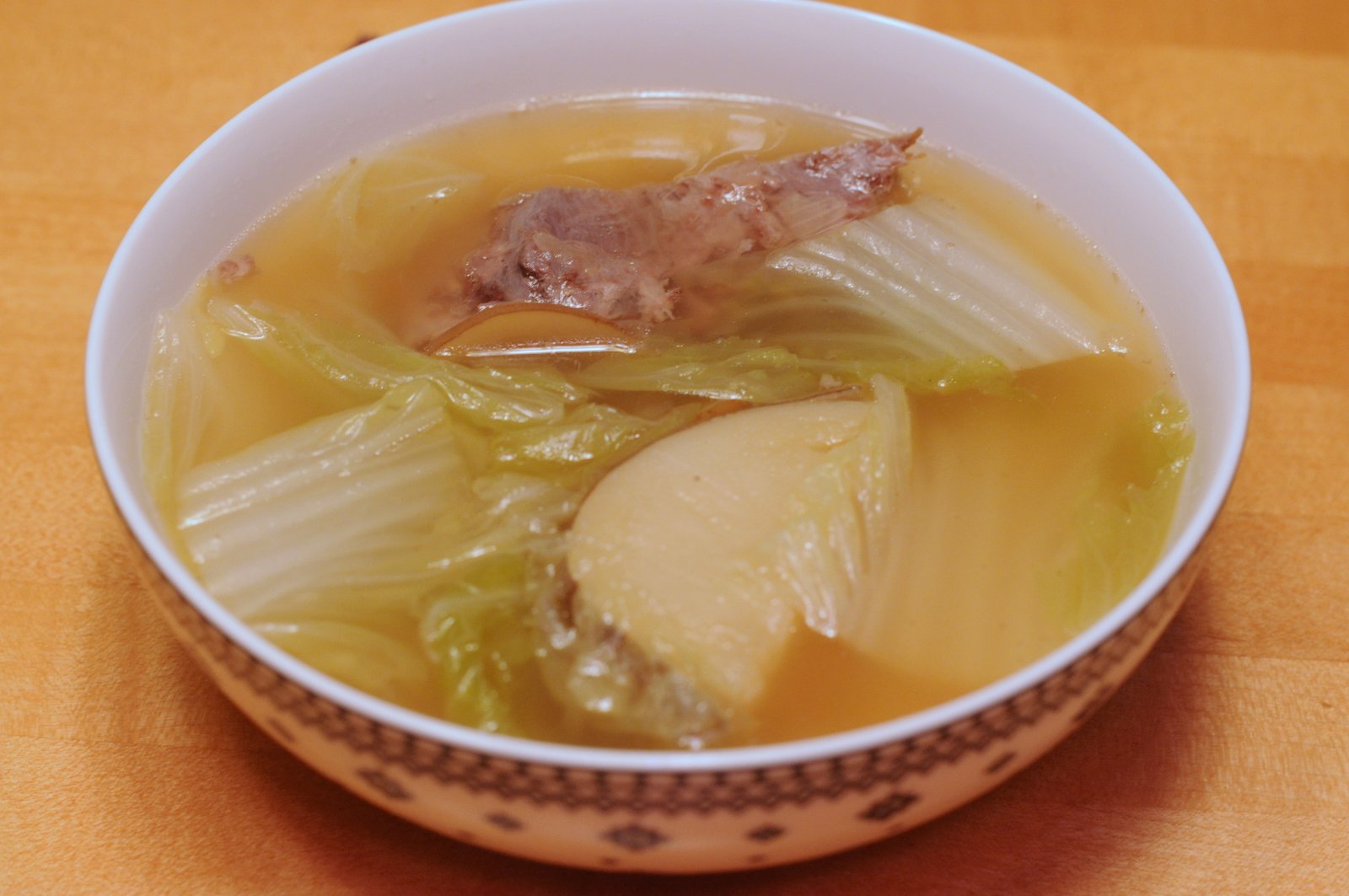
Beef Nilaga (click for recipe)

Baked Bronzino, Bronzini, Branzino

Why is a fish dish often met with a “Wow!”? Is it because they are so delicate to make, or so hard to procure? When I moved to NY ten years ago I was amazed at how much fish dishes cost on restaurant menus, as well as their tendency to underwhelm a person who grew up in a tropical country heavy with coastlines, where fish was the poor man’s food and cooking them second nature.

Most of our fish purchases in New York were made in Chinatown, where one should only buy fish they intend to consume that day. Enter our discovery of Fresh Direct‘s Seafood Section, where the freshness and prices are unparalleled in these parts. It was a love that began with a whole baked bronzino introduced by our friend Ching-i, a dish whose simplicity I’ll share with you now.

Baked Bronzino

Ingredients:

1 whole bronzino, head-on
lemon slices
ginger slices
scallions
olive oil
rock salt

Pre-heat oven to 400C. Arrange fish in a glass baking dish along with the other ingredients and bake for 20-25 minutes until meat is no longer translucent. Remove promptly and let rest for 5-10 minutes.

Serve with vegetables and rice.

Is that easy or what?

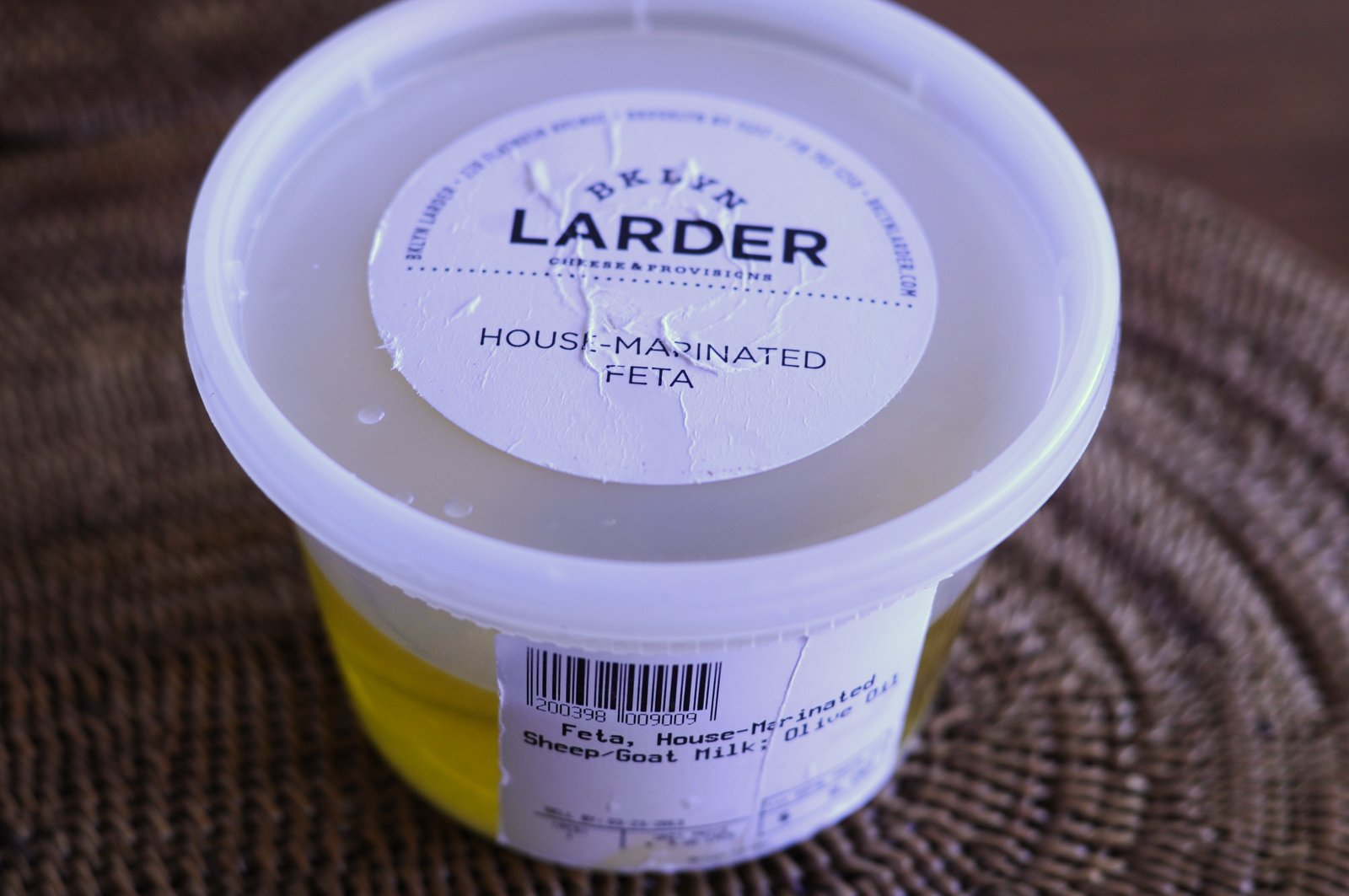
Favorite Things: House Marinated Feta from Brooklyn Larder

The tub was unremarkable, but the contents were not to be dismissed. Our friends the adobo makers raved about it when they lined it up among their treasures for our magical Vermont weekend.

 Brooklyn Larder is one of those specialty food stores around the corner from where I live. (Maggie Gylllenhaal is a frequent visitor and once touched R’s arm in gratitude for letting her cut the line. True story!) It has its arsenal of breads, pastries, cheeses and charcuterie, sweets and desserts. It houses the most delicious pistachio gelato I’ve known, and is also where one can get amazing ice cream sandwiches whose cookie sides are so richly chocolatey that you’ll forget its hefty $6 price.

The Larder makes it known that good food does not come cheap. At $9 a tub of marinated feta you can’t really complain. Four squares of Bulgarian feta soak in their rosemary flavored house olive oil. The oil is of a quality good enough to use on its own. In fact one only has to bust out a baguette along with the tub and you’d be all set for pre-meal grub.


I’m glad to have sampled it from friends because it’s not something I would have tried on my own. Ah but I did, so how can I turn back? The feta is not as salty as most but that doesn’t mean the taste isn’t long. It’s longer than a weekend line at the store.

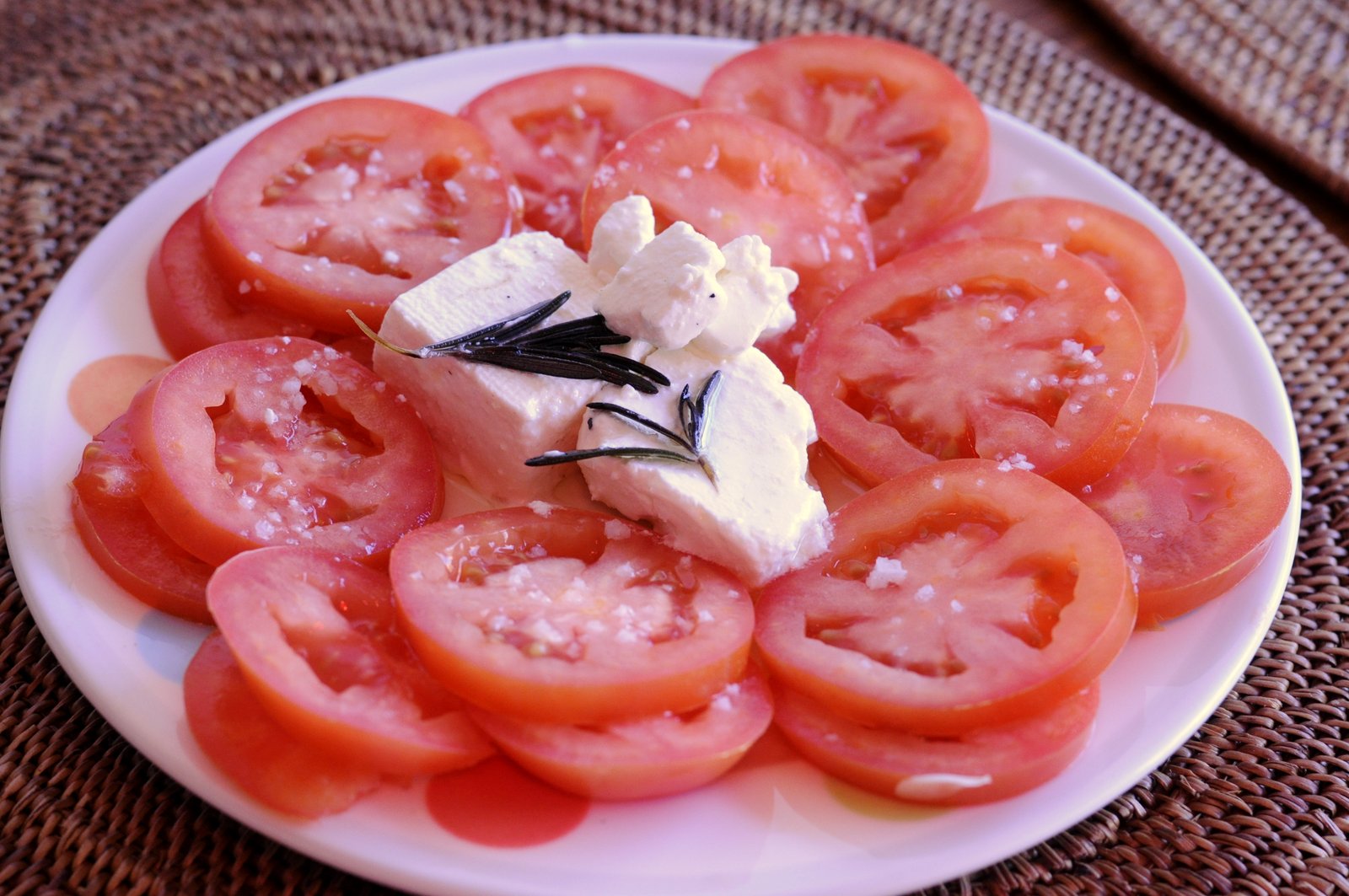
Tomatoes, rock salt, feta and rosemary.
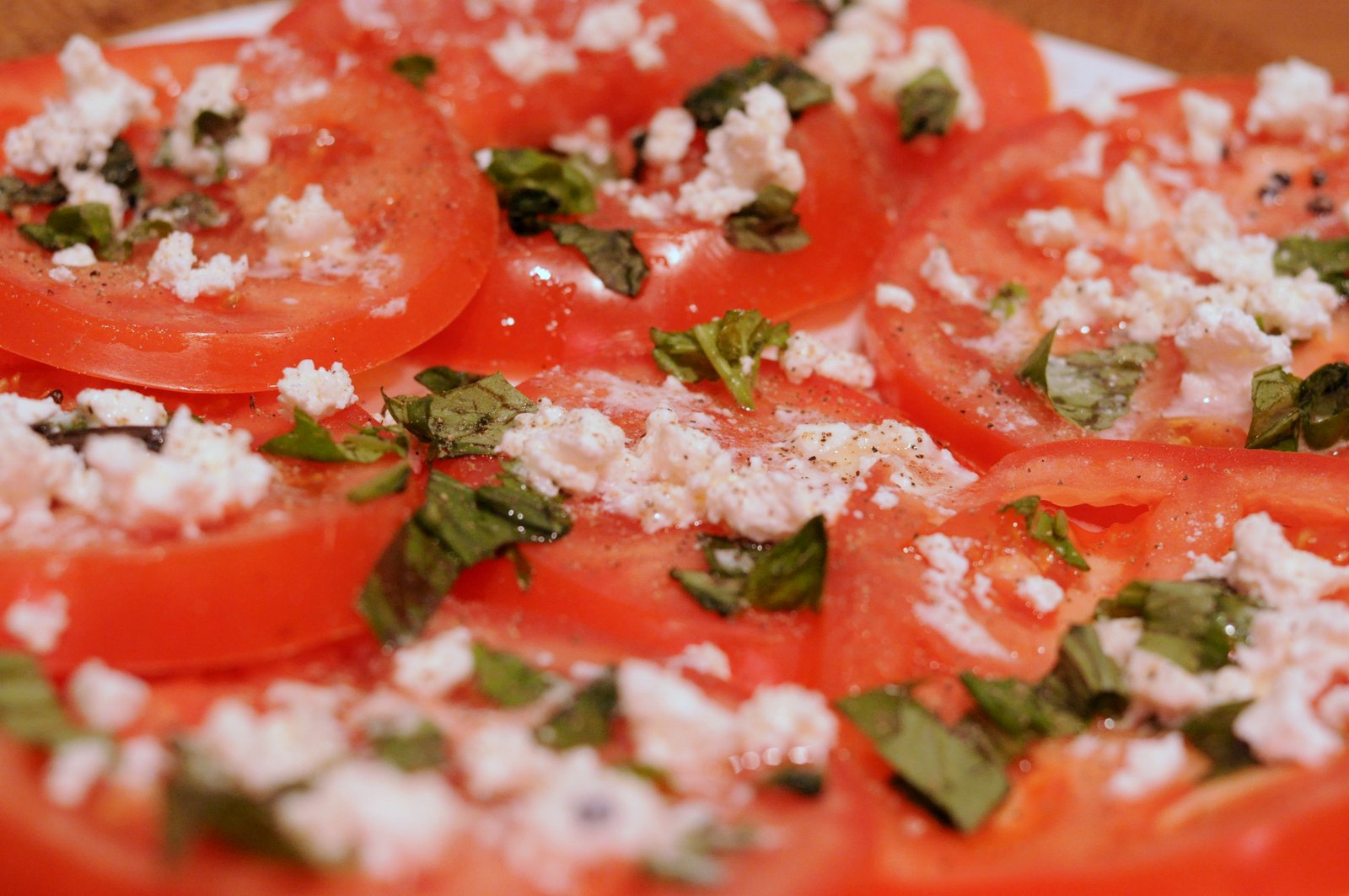
Feta, tomatoes, basil.

Don’t you love food discoveries? I’m going to add this to my list of local favorites which include The Big Gay Ice Cream Choinkwich, Uncle Louie G’s Chocolate Peanut Butter Ice Cream, Vermont Creamery Cultured Butter, Chocolate Room Banana Split, and Sottocenere Al Tartufo,

What are your favorite things?

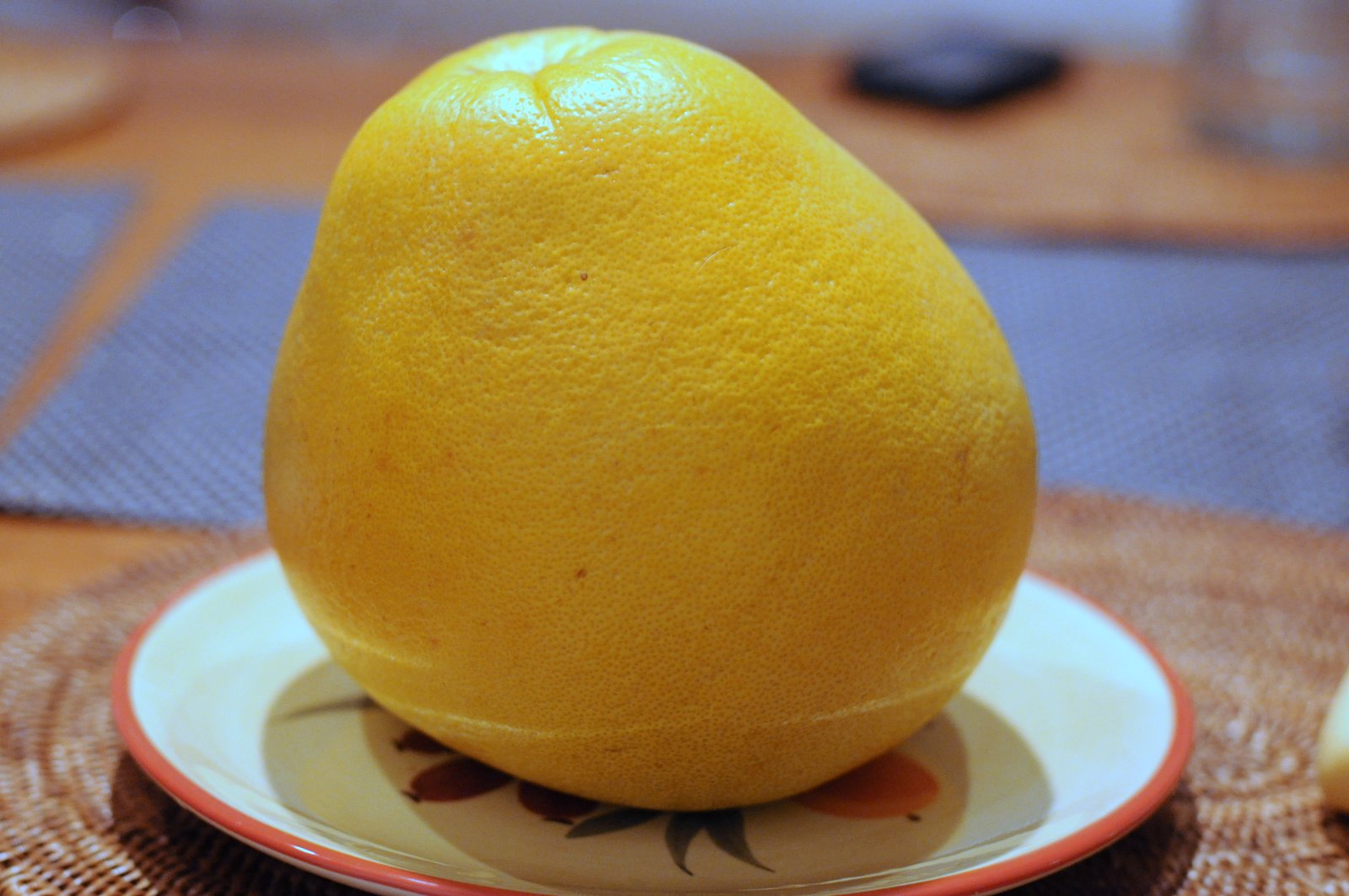
How To Peel A Pomelo, Pummelo or Melogold

Pomelos are the sweet and meaty relatives of grapefruit, which are often tart and slightly bitter, and whose pulp is too fragile to separate from its rind.

The joy of pomelo is underrated, being relatively unknown and intimidating because of its size. At the Food Coop where one would think members have a better familiarity with produce not commonly found in conventional grocery stores, I’ve often been asked by the cashier what it is when I put it on the belt. Either that or they comment on how big my grapefruit is. No it’s not, it’s just happy to see you. :p

Pomelos (suha in the Philippines) are tropical fruit, and of course this is the part where I tell you I grew up with them. But I did! Our dinner table would have a bowl of them waiting to be peeled and divided, and I would happily suck on the pulp and feel it explode with juicy tart sweetness between my teeth, bit by delicious bit.

Street vendors would sell them in large wooden carts. They would already be peeled, and the sellers would spend their days peeling them and trying to get as close to the pulp as possible, but taking care not to actually expose it.


Now you don’t have to eat it like a grapefruit! Here are the steps to peeling a pomelo the way I learned it in the old country, watching my father’s hands after dinner, waiting for my juicy surprise.

A ripe pomelo is fragrant when you stick your nose close to its rind.
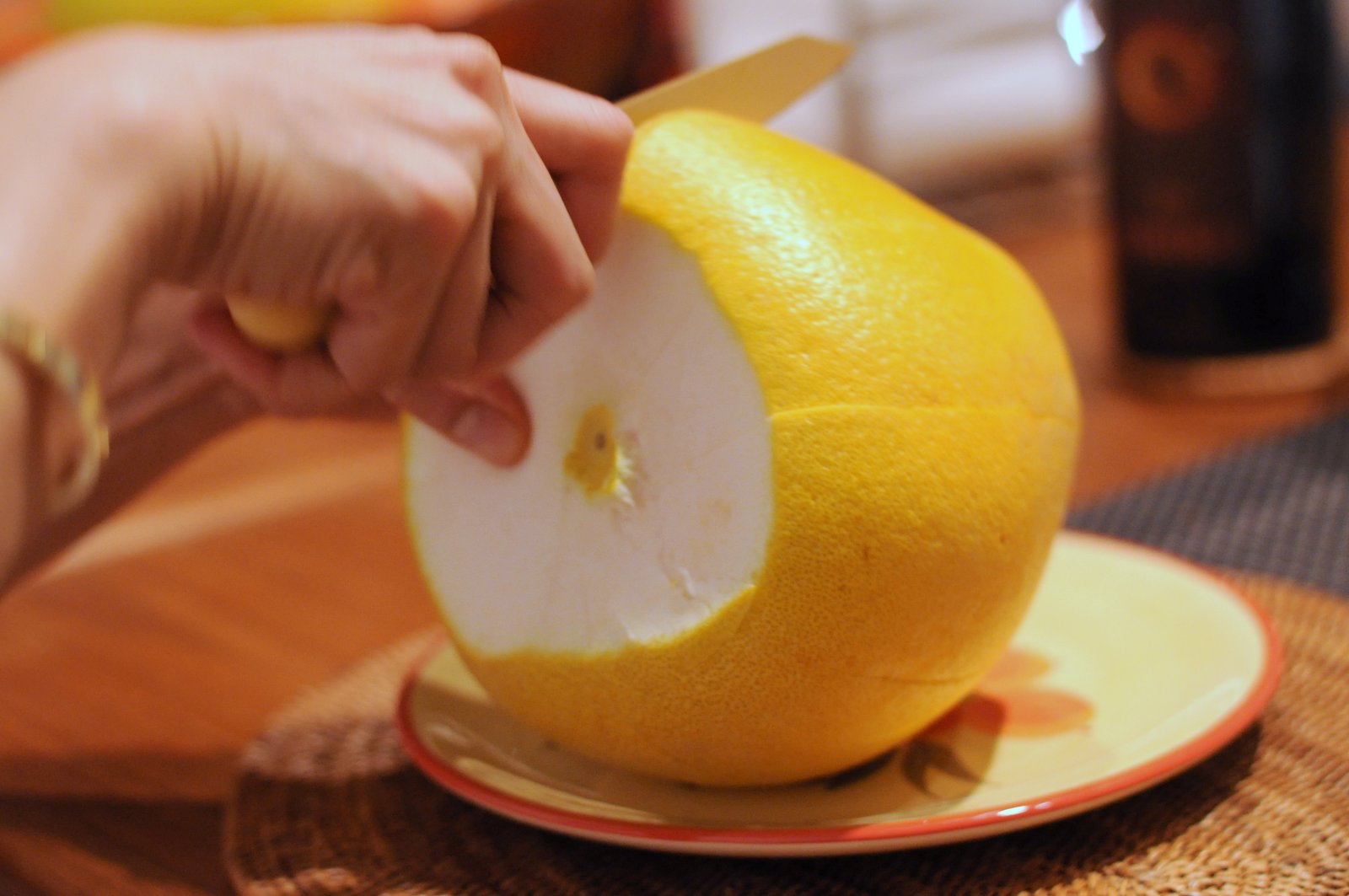
Begin by slicing off the top and bottom of the fruit, careful not to cut the inner skin.
The rind is scored lengthwise every few inches, again taking care not to cut too deep as to reach the pulp.
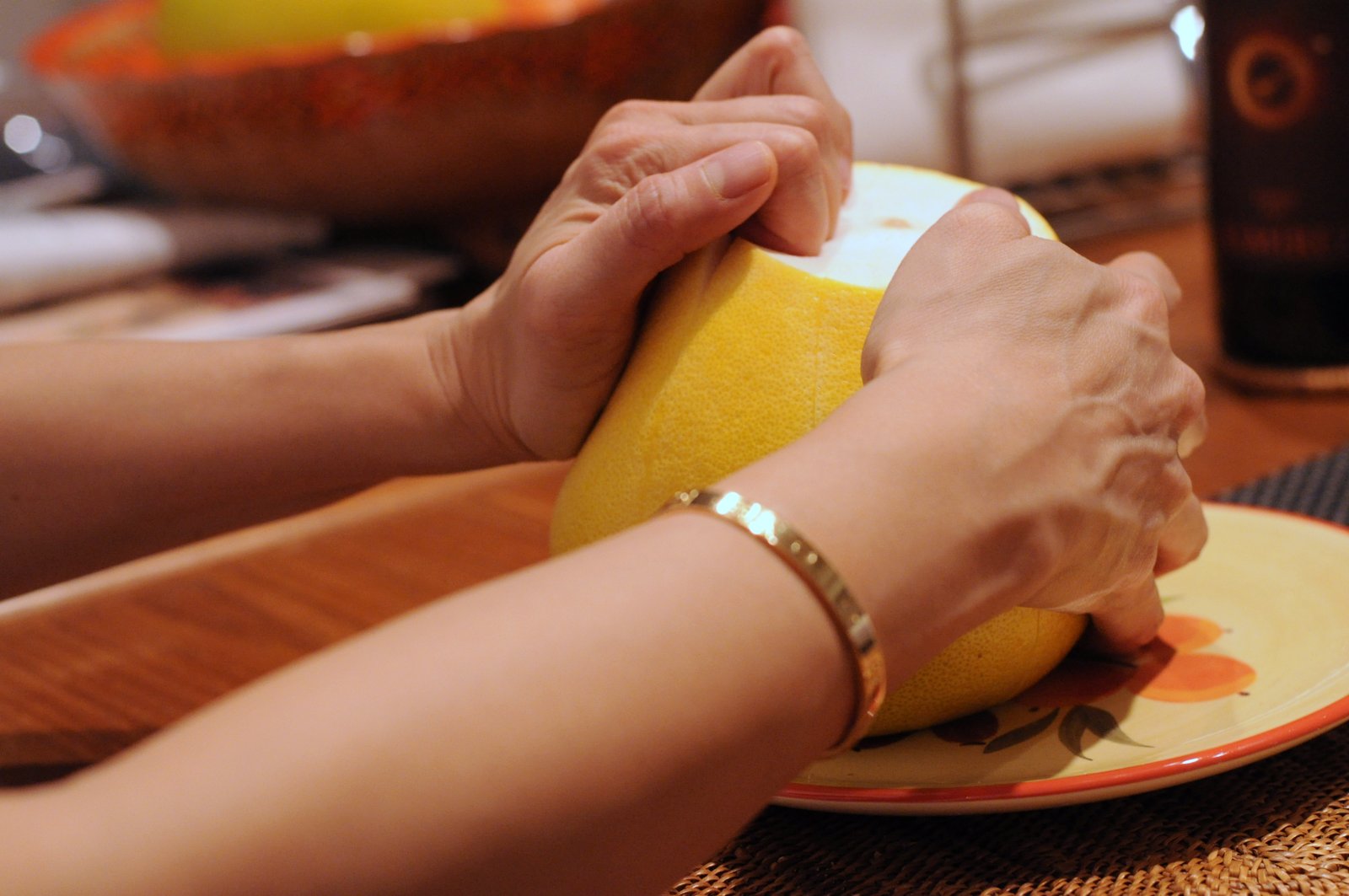
Using two hands, the rind is peeled off to expose the inner skin.
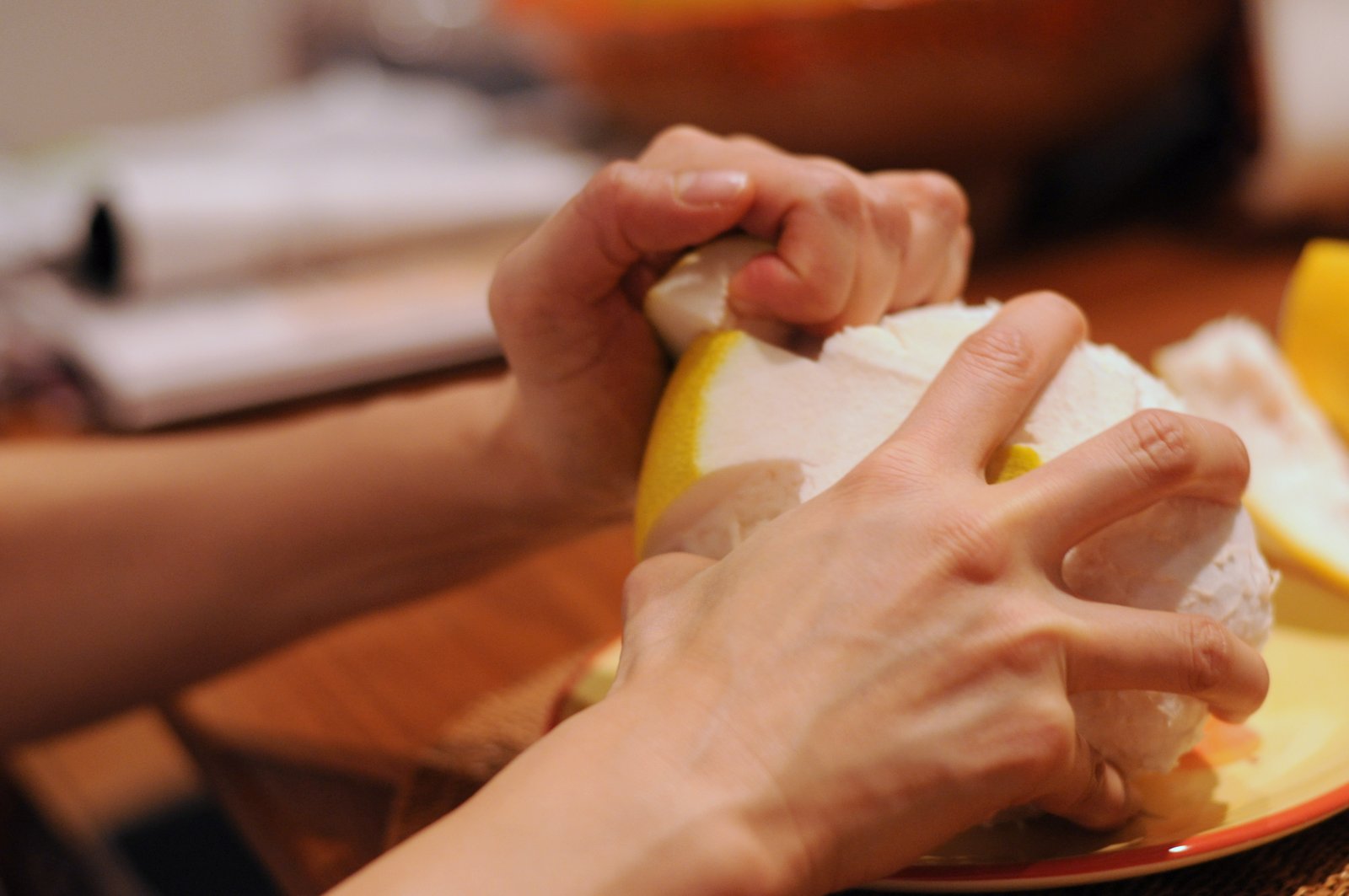
Do this all across the fruit until you only have the rindless ball of pulp.
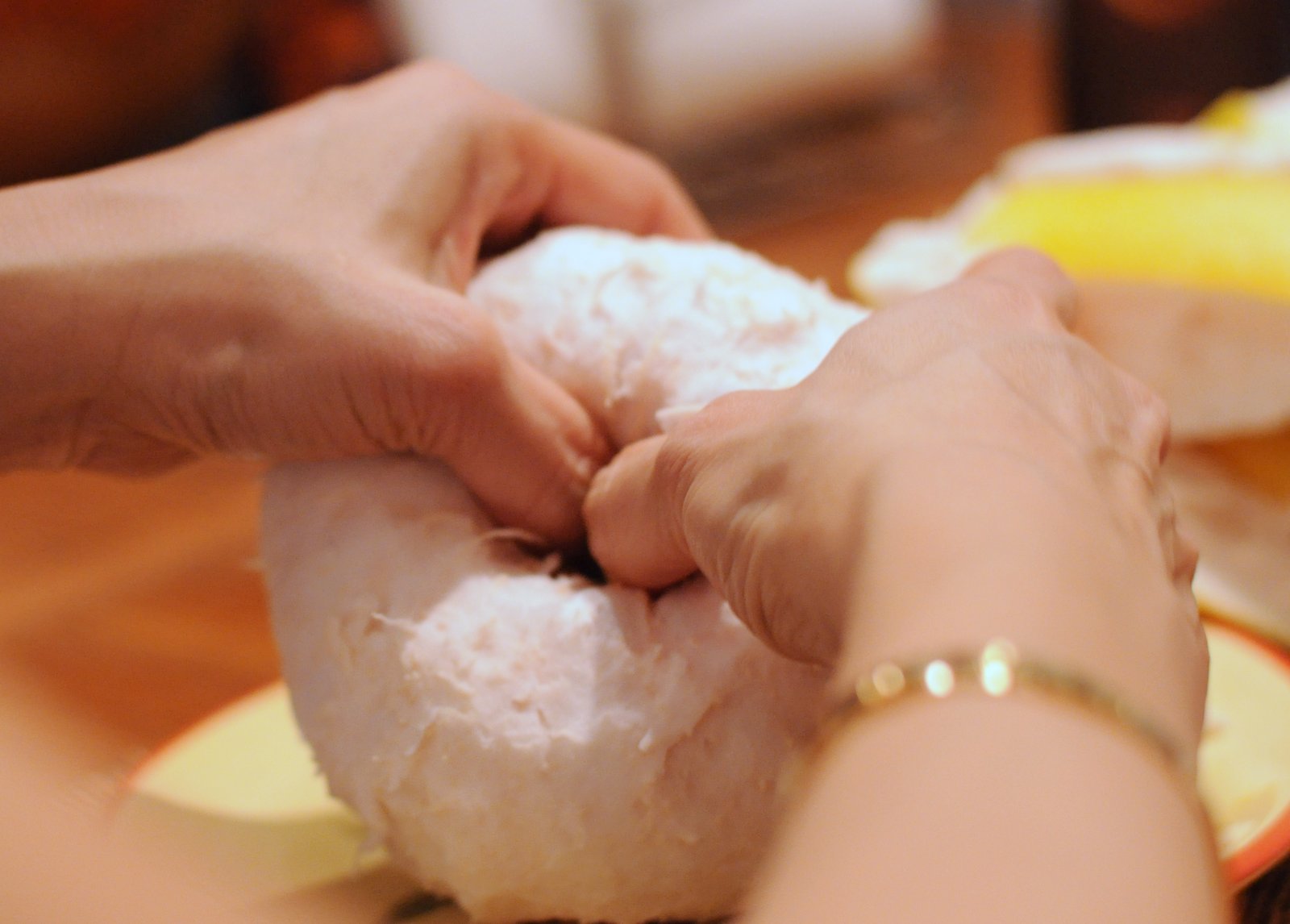
Tear the fruit in half lengthwise by pressing two thumbs into the bottom end.
 After peeling off the inner skin, the juicy pink or yellow pulp is exposed and is ready for consumption.
Aside from eating on its own, pomelos are also good for use in fruit or vegetable salads, adding a good acidic kick and flavor to the mix.
Thanks to my hand model R, as always 🙂

Adobo Fried Rice – Honoring A Dish Twice

If you are an adobo fan then you would know that the leftover sauce is as valuable as the meat. The sauce contains the flavor of the stew as well as the beef, chicken or pork that has cooked in it for hours.

A dinner of adobo usually results in leftovers especially when cooked by a Filipino. We have a reputation of excess which is not limited to making too much food for a meal. There has to be enough for tomorrow or for guests to take home! I have many memories of road trips and waking up early in the morning to stir up a batch of adobo rice from the previous evening’s meal to bring on the road and to spoon feed my sweet driver. 🙂 It seems to keep her eyes on the road.

Anyway, this is another one of those recipes that is hard to quantify. It depends on how concentrated one’s sauce turned out and how much rice needs to be made, so I will just estimate to quantities of these ingredients.

Begin with 2-3 tablespoons of sauce, in this case coagulated from the refrigerator. Try to get any garlic or small meat pieces from the pot and saute in the sauce.

Add the rice and fry on medium to high heat, occasionally pressing down to make some sides crispy from the hot pan. 
Mix well, add additional sauce or salt to taste.

 Here it is served steaming with some Ginisang Itlog (Sauteed Eggs) and sausage.
Recipe for Crispy Pork Belly Adobo here.
Recipe for Beef Short Rib Adobo here.
All about Filipino Adobo here.

Adobo fried rice with leftover pork belly pieces.
Served with grilled eggplant.

Related Posts Plugin for WordPress, Blogger...